
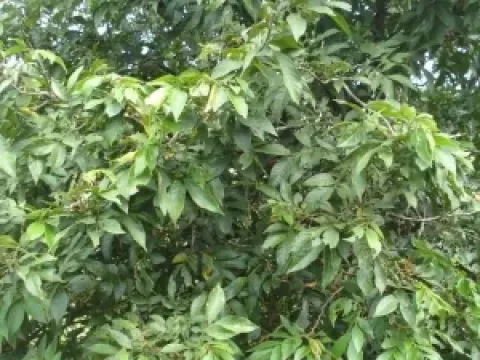
Inga semialata
Inga semialata
Inga semialata is a fast-growing tree species belonging to the Fabaceae family, native to the tropical regions of South America. It is widely recognized for its ecological contribution, particularly in sustainable farming systems where it serves as a multipurpose crop.
What the section contains
Inga semialata
The species thrives in humid tropical climates characterized by high rainfall and stable temperatures throughout the year. It requires well-drained, nutrient-rich soils to reach its full growth potential, showing remarkable resilience in a variety of tropical soil textures.
Botanically, the tree is distinguished by its compound leaves and long, bean-like pods that contain edible pulp surrounding the seeds. Its root system is deep and expansive, which helps in soil stabilization, especially in hilly terrains prone to erosion.
As a nitrogen-fixing plant, Inga semialata plays a crucial role in improving soil fertility. By fixing atmospheric nitrogen, it reduces the need for synthetic fertilizers, making it an excellent candidate for intercropping with food crops like cocoa or coffee.
The cultural techniques for this tree include regular pruning, which manages shade levels for understory crops and generates biomass for mulch. This management practice creates a nutrient-rich organic layer that significantly boosts the productivity of the entire agroforestry system.
The main threats to Inga semialata are fungal diseases that flourish in high-humidity environments. Leaf spot diseases are common, necessitating proper spacing between trees to encourage air circulation and reduce the duration of leaf surface wetness.
Pests such as stem borers and various leaf-eating insects can hinder tree growth, particularly in the seedling stage. Implementing integrated pest management (IPM) strategies, including the use of pheromone traps and biological controls, is highly recommended.
Root rot caused by poor soil drainage remains a significant risk for plantations. Excessive water accumulation in the rhizosphere can lead to root system degradation, emphasizing the need for proper site preparation and drainage management before planting.
Occasional infestations of scale insects or mites can occur, which weaken the plant and make it susceptible to secondary infections. Early detection and targeted horticultural oil applications can effectively manage these issues without harming the surrounding ecosystem.
To ensure long-term health, growers should maintain tree diversity and avoid monoculture practices. Encouraging natural predators like ladybugs and predatory wasps within the plantation area is an effective way to keep pest populations at manageable levels.