
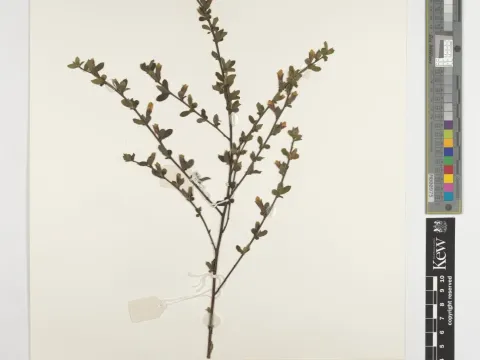
Ingram's Broom
Cytisus ingramii
Ingram's Broom (Cytisus ingramii) is a perennial shrub species belonging to the Fabaceae family. Native to specific regions in Northwest Spain, this plant is well-adapted to rocky, open habitats and is highly valued in horticulture for its ornamental flowering characteristics.
What the section contains
Ingram's Broom
The cultural requirements for this plant focus on excellent drainage. It thrives in poor, sandy, or stony soils and is intolerant of heavy, waterlogged ground, which can lead to rapid root decay. A sunny, warm location is essential for the plant to reach its full potential.
Climate adaptability is a critical factor for successful cultivation. While it can withstand periods of drought once established, it requires protection from severe frosts in colder climates to prevent dieback of the tender wood, which significantly affects the next season's blooms.
Agricultural management involves regular pruning immediately after the flowering stage. This practice is vital for maintaining a compact, dense habit and encouraging the development of new, healthy shoots that will produce flowers in the subsequent growing cycle.
In landscape design, this plant is used for slope stabilization and rock gardens. Its ability to thrive in nutrient-poor environments makes it an excellent choice for low-maintenance garden projects where sustainable and hardy plant species are desired.
The most common health issues for Ingram's Broom are related to fungal pathogens. Powdery mildew and leaf spot are prevalent in environments with high humidity or poor air circulation, necessitating careful site selection and proper spacing during planting.
Insects such as aphids are frequent pests, often clustering on the tender new growth and flower buds. Their feeding can stunt the plant's development and reduce the quality of its flowering display if not managed correctly during the early stages of infestation.
Integrated pest management is recommended to keep the shrub healthy. This includes mechanical removal of infected parts, consistent monitoring for aphid colonies, and the judicious use of pesticides only when cultural and biological controls prove insufficient.
Prevention involves ensuring that the plant is not overwatered. Since root health is paramount, irrigation should be carefully controlled to keep the root zone slightly dry rather than damp, which helps in naturally inhibiting various soil-borne pathogens.
Regular maintenance, such as clearing debris from around the base of the plant, reduces the habitats for pests and limits the spore dispersal of fungi. These simple steps significantly contribute to the overall resilience and longevity of the shrub in a garden setting.