
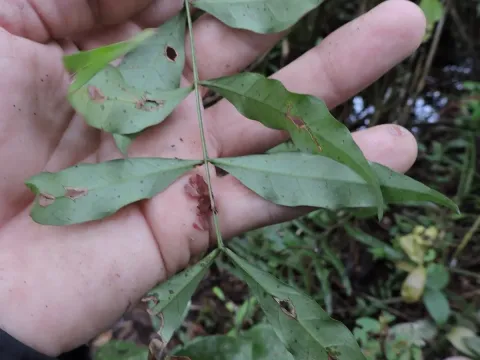
Inga sellowiana
Inga sellowiana
Inga sellowiana is an evergreen tree belonging to the Fabaceae family, specifically the Mimosoideae subfamily. It is native to the tropical and subtropical regions of South America, with significant populations found in Brazil.
What the section contains
Inga sellowiana
The species thrives in warm, humid climates characteristic of tropical ecosystems. It requires adequate light to reach its full potential, although seedlings can tolerate partial shade, making it a suitable candidate for agroforestry systems.
The ideal soil conditions for this culture involve deep, well-draining substrates rich in organic matter. The tree is sensitive to waterlogging, necessitating proper land drainage to maintain root health and prevent dieback.
Botanically, the plant is distinguished by its compound pinnate leaves and unique inflorescences featuring prominent, feathery stamens. Its fruits are long pods containing a sweet, fleshy pulp that protects the seeds inside.
In terms of economic value, the tree is highly regarded in sustainable farming for its nitrogen-fixing capabilities, which naturally enrich the soil. It is frequently planted to provide shade for coffee and cocoa crops in tropical regions.
The primary threats to Inga sellowiana include root rot diseases caused by excessive soil moisture and poor drainage. Maintaining an optimal water balance is crucial to preventing the proliferation of these fungal pathogens.
Insects such as leaf beetles and aphids are common pests that can hinder growth, especially in young plantations. Regular monitoring of the foliage is necessary to detect and mitigate infestations before they become widespread.
Integrated pest management, favoring biological controls over heavy chemical usage, is recommended for this species. This approach ensures the sustainability of the agroforestry system and protects beneficial insect populations.
Wood damage resulting from improper pruning can serve as entry points for pathogens. It is essential to apply protective sealants to all cuts to promote proper healing and prevent the development of decay.
Overall tree health and resilience are significantly improved by maintaining adequate nutrient levels and practicing proper canopy management, which ensures sufficient airflow and reduces the risk of disease spread.