
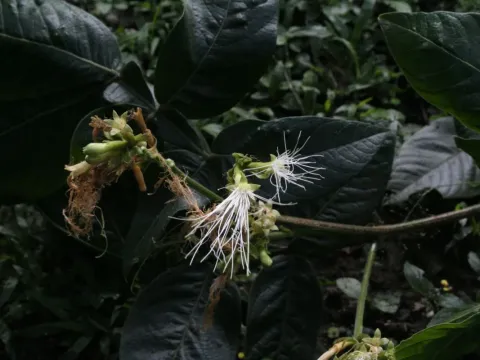
Inga sapindoides
Inga sapindoides
Inga sapindoides is primarily propagated through seeds, which lose viability very quickly, thus necessitating sowing immediately after harvest. Seeds are typically planted in shaded nurseries or directly into containers filled with high-quality, nutrient-rich substrate.
What the section contains
Inga sapindoides
The optimal time for planting in tropical climates coincides with the beginning of the rainy season. This ensures that young seedlings receive consistent natural irrigation and ideal temperature conditions to facilitate root development in the open field.
Seedlings require protection from intense direct sunlight during their initial growth phase. It is recommended to use temporary shading to prevent the soil from drying out and to protect the young foliage from sun damage.
When transplanting to a permanent location, spacing is crucial to accommodate the tree's future spreading canopy. A distance of 4 to 6 meters between trees is generally recommended to ensure proper air circulation and light exposure.
Seeds should be planted at a depth of about 2 to 3 centimeters. After the emergence of the first true leaves, seedlings should undergo a gradual hardening-off process to acclimate them to ambient conditions before final field planting.
Inga sapindoides is a member of the Fabaceae (legume) family, native to the humid tropical forests of Central and South America. The species thrives in environments characterized by high humidity and consistent rainfall throughout the year.
While the tree is adaptable to various soil types, it prefers well-drained loams rich in organic matter. It exhibits a high tolerance for temporary waterlogging, making it a suitable choice for planting on slopes or in areas with high precipitation.
The culture requires consistently high temperatures and cannot survive frost. The ideal temperature range for growth is between +20°C and +30°C, provided there are no prolonged dry periods that would stress the tree.
A vital biological trait of this species is its ability to fix atmospheric nitrogen through a symbiotic relationship with root-nodule bacteria. This significantly enriches the soil, enhancing fertility for neighboring crops in agroforestry systems.
The plant is highly valued in agroforestry as a ground cover and soil-structuring crop. Its fast-growing canopy produces dense leaf litter, which effectively suppresses weeds and prevents soil erosion in tropical agricultural landscapes.
The primary economic product of Inga sapindoides is its large pods, which contain an edible, sweet, cotton-like pulp. Yield varies significantly based on the tree's maturity and the specific environmental conditions of the site.
Fruiting typically begins between 3 to 5 years after planting. A single mature tree can produce a substantial volume of pods per season, which are highly regarded by local communities as a nutritious and sweet dessert treat.
Beyond the pods, the tree provides abundant biomass. Regular pruning of the branches yields excellent material for mulching, which indirectly boosts the productivity of companion crops grown within the same agricultural system.
Flowering intensity and pod set are heavily dependent on the presence of pollinating insects. Maintaining natural biodiversity around the plantations is a critical factor in ensuring stable and high fruit yields.
Pods are harvested manually once they reach maturity. Given that the pulp is prone to rapid fermentation, post-harvest handling is critical, and the fruit should be consumed or processed shortly after harvesting to retain quality.
Although Inga sapindoides is relatively resilient, it can be susceptible to various fungal pathogens common in tropical legumes, especially in poorly drained soils where root rot may occur.
Pests, such as larvae of various beetles and moths, can damage the foliage and young shoots. Regular monitoring of the canopy is essential for early detection of pest outbreaks and implementation of control measures.
Anthracnose is a prevalent fungal disease that manifests as spots on leaves and pods. Management involves the sanitary pruning of affected branches and maintaining sufficient canopy ventilation to reduce humidity levels.
In monoculture systems, the risk of damage from defoliating insects increases significantly. Utilizing biological pest control methods and encouraging natural predators is the preferred approach for maintaining tree health.
Providing balanced nutrition and avoiding micro-element deficiencies in the soil helps boost the tree's natural immunity against pests and diseases, thereby ensuring long-term health and productivity.