
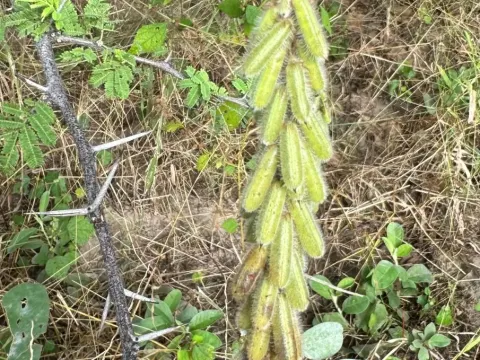
Indigofera astragalina
Indigofera astragalina
Indigofera astragalina is an annual herbaceous plant belonging to the large Fabaceae (legume) family. It is native to various tropical regions across Africa and Asia, where it thrives in diverse open habitats such as savannas and wooded grasslands.
What the section contains
Indigofera astragalina
This crop is well-adapted to well-drained, sandy or loamy soils. Its ability to tolerate low-moisture environments makes it an excellent candidate for cultivation in arid or semi-arid regions where conventional crops might fail due to drought stress.
The plant features a taproot system which contributes to its resilience and survival in adverse weather conditions. Botanically, it is characterized by compound leaves and typical legume-type flowers that support pollination by various insects.
Optimal growth is achieved in sunny, open locations with minimal shade. It requires high temperatures during the growing season and is sensitive to waterlogging, necessitating fields with excellent natural or artificial drainage properties.
The primary agricultural value of Indigofera astragalina lies in its nitrogen-fixing capabilities. By forming symbiotic relationships with soil bacteria, the plant effectively restores soil nitrogen levels, serving as an ideal green manure or cover crop in sustainable farming practices.