
Indigofera atriceps
Indigofera atriceps
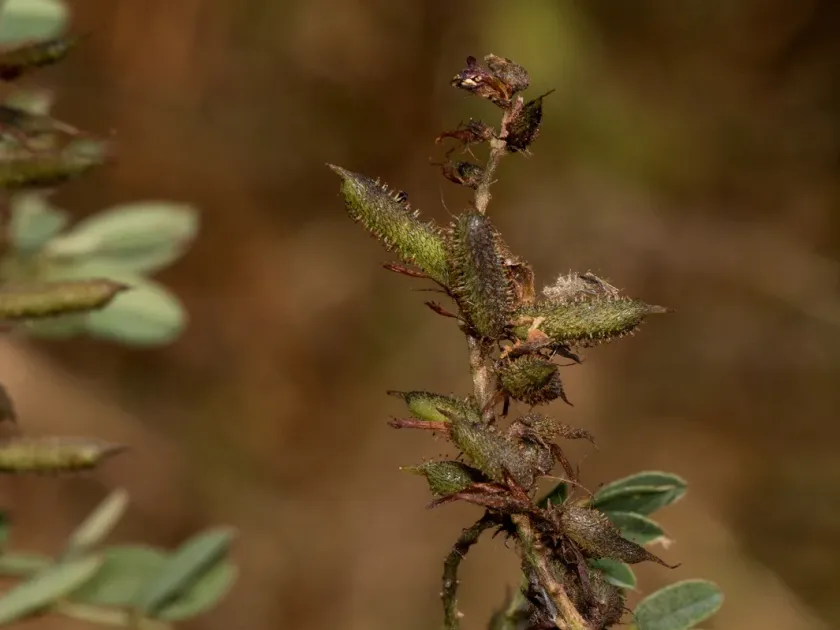
Description
Growing requirements
Indigofera atriceps is a perennial legume species belonging to the Fabaceae family, widely recognized for its ecological and agricultural value. Native to various regions of Africa, this plant has adapted to diverse tropical environments, where it serves as a critical biological tool for nitrogen fixation and soil stabilization.
The crop thrives in well-drained soils, showing a remarkable ability to colonize degraded areas where nutrient levels are suboptimal. Its strong root system supports soil structure, preventing erosion while concurrently enhancing soil fertility through the symbiotic fixation of atmospheric nitrogen, which benefits both the plant and the surrounding ecosystem.
Regarding climatic demands, the plant requires consistent warmth and does not tolerate frost, restricting its viable cultivation to tropical and subtropical zones. Adequate sunlight exposure is essential for photosynthesis, and while the crop shows resilience to periodic dry spells, consistent growth is observed in areas with moderate rainfall distribution.
Agricultural management of this crop focuses on initial establishment phases, where competition from weeds must be minimized until the plant canopy closes. Once established, Indigofera atriceps forms a dense cover that effectively suppresses weed growth and maintains moisture levels within the topsoil layer.
Its primary хозяйственное use is as a high-protein fodder source for livestock. Given its nutritional profile and persistence in pastures, it is a preferred species for farmers looking to supplement animal diets, especially in environments where traditional fodder production faces challenges due to poor soil conditions.
Main diseases and pests
Cultivation of Indigofera atriceps can be impacted by several fungal pathogens that thrive in warm, humid conditions. Leaf spot diseases are the most common issue, often occurring when plant density is too high or air circulation is insufficient, leading to a decrease in forage biomass yield.
Pest pressures primarily involve foliage-feeding insects and beetles that target young seedlings. Effective crop management includes periodic monitoring and, if necessary, the application of biological control methods to ensure that pest outbreaks do not significantly compromise the health and productivity of the fields.