
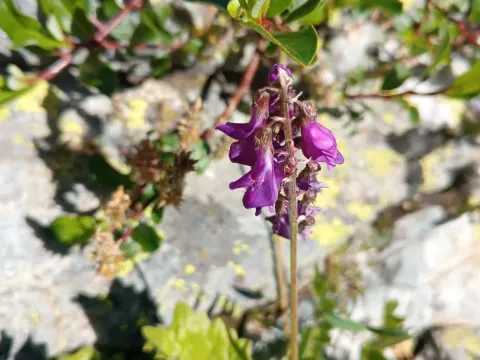
Caucasian sainfoin
Hedysarum caucasicum
Sowing Caucasian sainfoin is recommended in early spring as soon as the soil is dry enough for agricultural machinery. This timing ensures that the seeds have access to residual moisture from winter, which is critical for successful germination.
What the section contains
Caucasian sainfoin
The seeds of this species have a hard seed coat, making scarification a mandatory step before planting. Mechanical scarification significantly increases the rate of germination and ensures a more uniform stand of plants in the field.
The optimal seeding depth is 2–3 centimeters. In sandy or light soils, seeds can be placed slightly deeper, while in heavier clay soils, shallower sowing is preferred to ensure that the seedling can easily emerge through the crust.
Seeding rates typically range from 12 to 18 kilograms per hectare, depending on the chosen row spacing. Wider row spacing is often used for seed production, while closer rows are ideal for high-density forage biomass production.
Post-sowing rolling of the field is a standard practice that improves seed-to-soil contact. This step minimizes moisture loss and creates a firmer surface, which leads to better moisture capillary movement towards the seeds.
Caucasian sainfoin (Hedysarum caucasicum) is a hardy perennial legume belonging to the Fabaceae family. It is native to the mountainous and steppe regions of the Caucasus, where it has adapted to cold winters and dry summer conditions.
The plant features a deep taproot system, which allows it to thrive in areas with limited rainfall. This resilience makes it a valuable crop for sustainable farming in regions where traditional forage crops might fail due to frequent droughts.
It prefers well-drained, calcareous soils with neutral to slightly alkaline pH. The plant does not tolerate stagnant water or poor aeration, as these conditions increase the risk of root rot and overall plant vigor decline.
The crop is highly dependent on sunlight and does not perform well under shaded conditions. Controlling weeds during the establishment year is vital, as the young seedlings grow relatively slowly and can be easily smothered by faster-growing competitive weeds.
A key agronomic benefit of Caucasian sainfoin is its nitrogen-fixing capability through a symbiotic relationship with specific rhizobia bacteria. This natural process improves soil fertility, reducing the need for synthetic nitrogen fertilizers in the rotation.
The forage yield of Caucasian sainfoin is stable and reliable, usually reaching its peak productivity in the second and third years. On well-managed plots, the biomass yield can reach up to 25 tons per hectare per season.
The nutritional profile of the harvested forage is excellent, being rich in proteins and essential minerals. Because it does not cause bloat in livestock—a common issue with some other legumes—it is highly favored by farmers for pasture grazing.
For seed production, yields typically range from 3 to 6 quintals per hectare. Achieving high seed yield requires managing the pollinators during the flowering stage, as the plant relies heavily on bee activity for successful fertilization.
The crop's longevity in the field is a significant economic advantage. Once established, a well-managed sainfoin stand can be productive for 5–7 years, saving costs on annual replanting and repeated soil preparation.
Root system turnover after the stand is terminated provides a substantial amount of organic matter to the soil. This improves soil physical properties and ensures long-term productivity for the subsequent crops in the rotation.
Root rot caused by various soil-borne pathogens is the most common disease threat, particularly in poorly drained soils. Improving field drainage and maintaining appropriate plant density are the primary preventative measures.
Foliar diseases, such as leaf spot, may occur in seasons with high humidity or frequent rainfall. Fungicide applications are rarely needed if good management practices, such as adequate airflow and balanced fertilization, are consistently followed.
Pests like the clover root curculio can feed on the roots and leaves, potentially reducing plant growth rates. Monitoring pest populations early in the season and applying targeted insect control measures can protect the stand from significant damage.
Excessive grazing or frequent mowing can weaken the plant by preventing it from storing enough energy in the root crown for winter survival. Ensuring enough recovery time between harvests is essential for long-term health.
Maintaining biological diversity and avoiding mono-cropping with other legumes in the immediate vicinity helps reduce the buildup of pest and disease populations that specifically target the legume family.
Harvesting for hay should be timed to coincide with the beginning of the flowering phase. This timing ensures the best balance between biomass quantity and protein quality, as well as high digestibility for livestock.
For seed collection, the harvest should occur when the majority of the pods have turned color and the moisture content has dropped to safe levels. The harvest must be handled carefully to minimize seed shattering during the cutting and threshing process.
After mowing, the forage should be left in the field to wilt until the moisture content drops to approximately 15–18%. This allows for safe baling and storage without the risk of heating or mold development in the hay bales.
Modern haying equipment is highly efficient at preserving the leaf portion of the plant. Since the leaves contain the highest concentration of nutrients, minimizing mechanical loss during handling is a primary goal of the harvesting process.
Proper storage in a dry, ventilated area is crucial for maintaining feed quality through the winter months. Protecting the harvested material from rain and high moisture preserves the vitamins and overall nutritional value for the animals.