
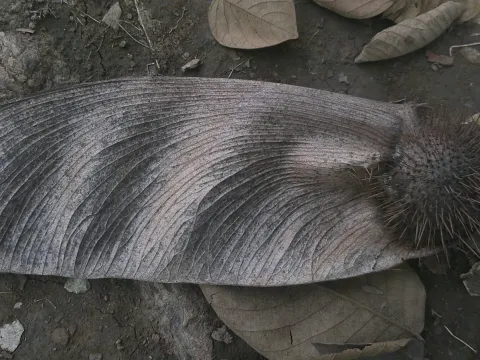
Centrolobium
Centrolobium
Cultivation of Centrolobium typically begins with seed propagation in specialized nursery environments. Seeds often require scarification to penetrate the hard seed coat and improve overall germination success rates.
What the section contains


Centrolobium
The optimal time for sowing is at the beginning of the rainy season. This ensures that seedlings receive sufficient moisture during their critical early growth stage, facilitating faster establishment in the soil.
Nursery management often employs containerized planting methods to produce robust saplings. Seedlings are usually transplanted into open ground once they reach a height of 30–50 centimeters.
Proper spacing is vital, with trees ideally planted 3–4 meters apart. This density encourages vertical growth and minimizes competition for essential sunlight and soil nutrients during the development phase.
Natural regeneration is often slow, making human-assisted planting necessary for commercial timber production. Providing consistent care during the first three years is essential for plantation survival.
Centrolobium is a legume-family tree species native to the tropical forests of Central and South America. It thrives in deep, fertile soils that must offer excellent drainage to prevent root damage.
The tree requires a stable tropical climate with high ambient temperatures throughout the year. It is highly sensitive to frost and cold snaps, which limits its commercial range to strictly tropical zones.
It is a light-demanding species, particularly during its rapid growth phases. Sufficient sunlight is necessary to produce a straight, clear trunk, which is essential for high-quality timber harvest.
Soil quality should include moderate organic matter content. While the tree can tolerate short dry spells, persistent waterlogging or poor drainage can quickly trigger root rot and tree decline.
Fertilization regimes during the early years can significantly boost growth rates. Managed plantations benefit from balanced nutrient application to ensure uniform development and faster rotation cycles.
The primary economic output of Centrolobium is its exceptionally hard and durable timber. Reaching commercial harvest maturity generally takes several decades, depending on site conditions.
Yield is typically calculated based on the volume of high-quality lumber per hectare. Due to its superior aesthetic and physical properties, it fetches a premium price on the global wood market.
Productivity is highly dependent on effective silvicultural practices and thinning operations. Consistent monitoring of tree diameter growth serves as the primary indicator of plantation success.
Seed collection remains an important secondary activity for forest restoration projects. Harvest volumes fluctuate based on annual climate patterns, which influence tree flowering and fruit set.
Long-term investment in Centrolobium plantations is considered sustainable due to the wood's durability and high demand. Managed forests ensure a consistent supply of this precious material.
Wood-boring insects represent a major threat to growing trees. These pests can tunnel into the trunk, compromising the structural integrity and economic value of the lumber at the time of harvest.
Fungal pathogens associated with damp soils and poor drainage often cause root and trunk rots. Proper site selection and water management are critical preventive measures against such infections.
Leaf-eating pests frequently target nursery saplings, potentially stunting growth. Regular inspections and integrated pest management strategies are necessary to protect young plants in the field.
Herbivores, including both small rodents and larger mammals, may cause bark stripping. Protective physical barriers around young trunks are often required to prevent mechanical damage in early years.
Weed competition is a significant threat to sapling development. Frequent weeding around the base of the tree is mandatory to prevent nutrient theft and light deprivation during the critical establishment period.
Harvesting is performed once trees reach the predefined technical maturity specifications. Modern logging equipment is utilized to ensure the tree is felled correctly, protecting the valuable wood quality.
Logging operations are ideally conducted during the dry season to minimize soil compaction and streamline logistics. Proper timing ensures that timber can be transported efficiently to processing facilities.
Initial processing involves debarking and sawing the logs into standardized timber sizes. This stage is crucial for minimizing waste and preparing the wood for its specific industrial applications.
Timber must undergo a controlled drying process to stabilize moisture content. Proper kiln drying or air drying prevents future warping and cracking, ensuring the product's longevity in construction or cabinetry.
Following harvest, reforestation activities are immediately initiated. Planting new saplings ensures that the land remains productive and that the ecological balance of the site is maintained for future generations.