
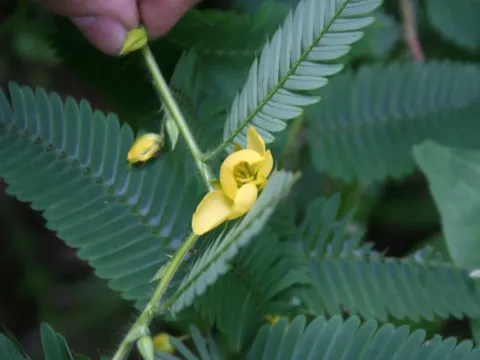
Cassia stenocarpa
Cassia stenocarpa
Cassia stenocarpa, belonging to the Fabaceae family, is a perennial plant that thrives in warm climates. Sowing requires careful preparation, as the seeds have a naturally hard seed coat that often necessitates pre-treatment for optimal germination.
What the section contains
Cassia stenocarpa
The ideal time to plant is when the soil temperature consistently reaches at least 20 degrees Celsius. In many regions, this corresponds to mid-spring, ensuring that the seedlings avoid the risk of late-season frost, which can severely damage the young crop.
Seed depth should be maintained at approximately 2 to 3 centimeters to balance the need for moisture retention with the requirement for oxygen during the initial sprouting phase. Sowing in rows allows for better management of space and future maintenance tasks.
Scarification, which involves slightly nicking or scratching the seed coat, is a common practice to facilitate the imbibition of water. Without this, germination may be staggered, leading to uneven crop development and difficulties during the harvest season.
Proper spacing between seeds is essential to avoid overcrowding. As the plant matures, it requires sufficient airflow to prevent moisture buildup within the leaf canopy, which is a common precursor to several fungal diseases.
This species is highly heliophilic, meaning it requires full sun exposure throughout the day. Even partial shade can lead to stunted growth and a significant reduction in the secondary metabolites that the plant is often cultivated for.
Soil requirements for Cassia stenocarpa include well-drained, fertile soil. It performs best in sandy loam or loam soils that allow for deep root penetration. Heavy, waterlogged clay soils are generally unsuitable as they trigger root rot and inhibit plant development.
Watering management is critical, especially during the peak of the growing season. While the plant can tolerate short dry spells, consistent irrigation is necessary for maximum biomass production and plant health.
Nutrient management should focus on a balanced approach. While being a legume, which helps in nitrogen fixation, the addition of phosphorus and potassium-rich fertilizers is often recommended during the vegetative stage to promote stronger stem growth.
Environmental stability is important. The plant flourishes in temperatures ranging from 22 to 32 degrees Celsius. High humidity coupled with poor drainage is the primary enemy of this plant, often leading to rapid decline in crop quality.
The most significant threats to Cassia stenocarpa include fungal pathogens such as Fusarium wilt and powdery mildew. These diseases thrive in environments with poor air circulation and excessive humidity, making field hygiene a top priority.
Pests such as aphids and spider mites are common in dry, hot weather. These insects feed on the sap of the plant, weakening its immune system and creating entry points for opportunistic fungal infections that can destroy the harvest.
Weed competition is particularly damaging during the first month of growth. Since the seedlings grow slowly in the initial stages, they can be easily suppressed by aggressive grass or broadleaf weeds, requiring consistent mechanical weeding.
Root-knot nematodes can also pose a risk in certain soil types. Crop rotation is the most effective biological control method, as it prevents the buildup of these parasites in the soil over several growing seasons.
Integrated Pest Management (IPM) is highly recommended for this crop. By combining cultural practices, such as proper spacing and irrigation control, with targeted biological controls, growers can maintain high yields without relying solely on chemical inputs.