
Castanospermum australe
Castanospermum australe
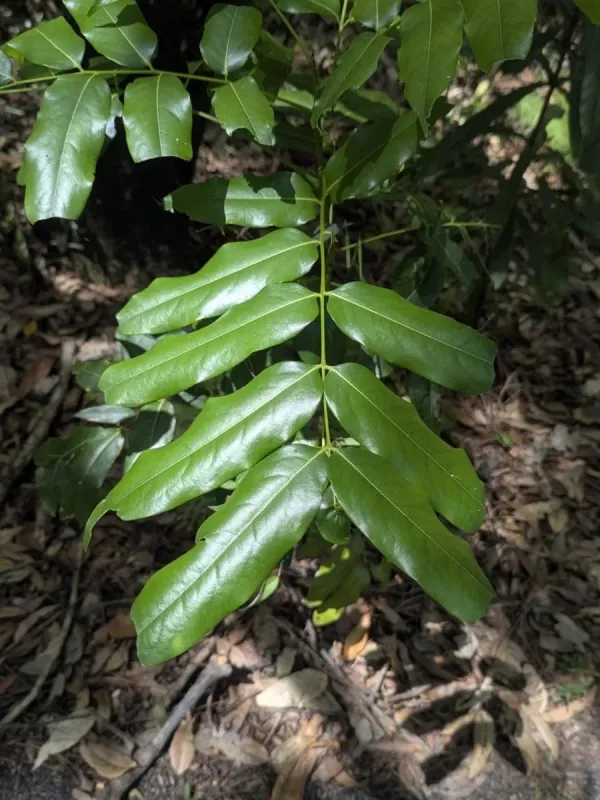
Description
Sowing dates
Castanospermum australe, commonly known as the Moreton Bay Chestnut, is propagated by seeds that must be sown immediately after ripening, as they lose their viability very quickly.
The seeds should be planted in a well-draining, nutrient-rich potting medium at a depth of approximately 3 centimeters. Maintaining a constant temperature of 22–25 degrees Celsius is crucial for germination.
The germination process can be slow and requires a consistently moist environment. It is essential to ensure that the medium does not become waterlogged to prevent seed rot.
Once seedlings emerge, they develop a long, fleshy taproot, so using deep containers for initial growth is highly recommended to prevent root deformation.
Young plants should be kept in a warm, sheltered location until they are robust enough to be transplanted into larger containers or permanent growing sites.
Growing requirements
Castanospermum australe belongs to the Fabaceae family and is native to the coastal rainforests of eastern Australia. It is a slow-growing evergreen tree that requires tropical conditions to thrive.
The plant thrives in deep, fertile soils with a slightly acidic to neutral pH. Proper drainage is the most critical factor for soil management, as the roots are highly susceptible to rot.
Regarding climate, the plant is intolerant to frost and requires a warm environment. In temperate regions, it is cultivated exclusively as an ornamental indoor or greenhouse plant.
Bright, filtered light is optimal for its development. Intense, direct sun can damage the foliage, leading to scorch marks, especially in younger, less established specimens.
Regular watering and high humidity are necessary. During the growing season, consistent moisture should be maintained, while in winter, watering should be reduced to prevent saturation.
Main diseases and pests
The most common pests affecting Castanospermum australe in indoor settings are scale insects, mealybugs, and spider mites, which thrive in dry air conditions.
Root rot is the primary disease concern, typically triggered by overwatering or poorly draining soil. This condition often results in yellowing foliage and structural collapse.
Effective management includes regular inspection of leaf undersides and the stem nodes to catch pest infestations early before they become difficult to eradicate.
If an infestation occurs, horticultural oils or systemic insecticides may be used, provided that the plant's sensitivity to specific chemical formulations is considered.
Prevention is centered on maintaining optimal hygiene, appropriate humidity levels, and ensuring that the root zone is never left in stagnant water.