
Cedrelinga
Cedrelinga
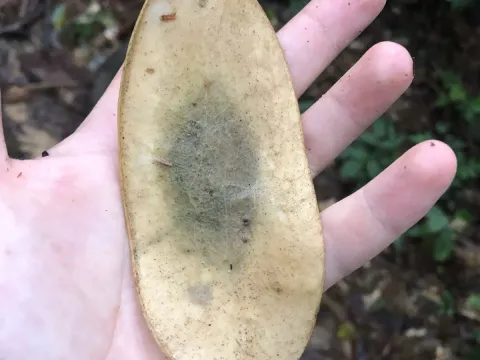
Cedrelinga (Cedrelinga cateniformis), often referred to as "toro," is a notable species within the Fabaceae family. It is a fast-growing tree recognized for its capability to reach impressive heights in tropical environments.
What the section contains

Cedrelinga
Propagation is primarily achieved through seeds. To ensure high germination rates, it is crucial to collect seeds from healthy mother trees and sow them shortly after harvest, as their longevity in storage is relatively limited.
In nursery settings, seeds are typically planted in individual containers with a well-draining, nutrient-rich potting medium. Maintaining consistent moisture and tropical temperatures is essential for the germination phase, which usually lasts several weeks.
Seedlings are transferred to the plantation site once they reach a robust size, usually between 40 and 60 centimeters in height. Hardening off the plants before final transplantation helps them better withstand environmental stressors.
The spacing of the trees is a critical factor for plantation management. A standard density allows each tree to access sufficient sunlight and nutrients, preventing excessive competition that could hinder the growth of the main trunk.
Cedrelinga thrives in deep, fertile, and well-drained alluvial soils. It is sensitive to waterlogging, so sites with high water tables or poor drainage should be avoided to prevent root diseases and stunted growth.
The species is strictly tropical, requiring consistent high temperatures and high humidity. It does not tolerate frost, and even significant temperature drops can cause physiological damage to the foliage and younger branches.
An abundant and well-distributed rainfall pattern is ideal for Cedrelinga. In plantations where annual rainfall is seasonal, providing irrigation during the driest months is necessary to maintain a steady growth rate.
The tree is considered a light-demanding species throughout its growth cycle. While young seedlings can tolerate partial shade, they generally perform best when exposed to direct sunlight for the majority of the day.
Soil management should focus on preserving organic matter. Because Cedrelinga is a nitrogen-fixing legume, it can eventually contribute to soil improvement, although initial fertilization may be required on depleted agricultural lands.
The primary economic value of Cedrelinga lies in its rapid biomass accumulation, making it a highly desirable species for commercial reforestation projects and sustainable timber production.
The wood is prized for its excellent workability, lightweight nature, and attractive grain pattern. It is extensively utilized in the furniture industry, for interior decoration, and in the production of high-quality plywood.
Beyond its timber production, Cedrelinga serves a vital role in agroforestry systems. By integrating these trees with other crops, farmers can improve soil quality while creating a diverse and resilient agricultural landscape.
A typical harvest cycle for timber production ranges from 20 to 30 years. During this period, the trees reach substantial diameters, offering high volumes of merchantable timber that meet global market standards.
Strategic management of Cedrelinga plantations can lead to a long-term steady income, as the wood is in high demand for sustainable construction and architectural projects due to its physical properties.
Pests represent one of the most significant challenges in Cedrelinga cultivation. Specifically, wood-boring beetles can cause structural damage to the trunk, significantly reducing the economic value of the harvested timber.
Fungal pathogens affecting roots and foliage often appear in poorly managed plantations where drainage is insufficient. Ensuring proper airflow and avoiding over-saturation of the soil are the best preventative measures.
Weed management is absolutely necessary during the first three years of plantation development. Fast-growing vines and grasses can easily outcompete young trees for sunlight and soil nutrients, leading to growth delays.
Herbivores, including both domestic livestock and wild animals, can inflict damage on young bark and tender shoots. Physical barriers, such as tree guards or fencing, are recommended during the early establishment phase.
Continuous monitoring and the implementation of integrated pest management (IPM) practices are essential to detect early signs of infestation and prevent major outbreaks that could jeopardize the entire plantation yield.