
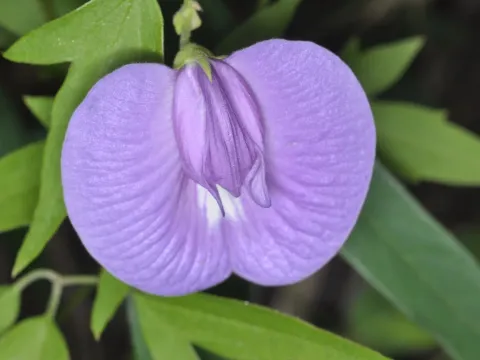
Centrosema
Centrosema
Sowing of Centrosema is typically performed at the onset of the rainy season, when soil moisture is sufficient to support rapid germination and early growth.
What the section contains


Centrosema
Seed scarification is often recommended to overcome the physical dormancy of hard seeds, ensuring a more uniform emergence across the field.
The seeds should be planted at a shallow depth of 2 to 3 centimeters to allow for optimal access to soil moisture while ensuring proper seedling vigor.
Row planting or broadcasting are common methods; however, planting density should be adjusted based on whether the crop is being used for pasture or as a ground cover.
Effective weed control is critical during the establishment phase, as the plant grows slowly in its first few weeks and can easily be suppressed by faster-growing competitive weeds.
Centrosema is a genus of perennial climbing herbs within the Fabaceae family, highly valued for its ability to thrive in diverse tropical and subtropical environments.
It prefers well-drained soils but demonstrates a remarkable tolerance for various soil types, including acidic and low-fertility soils often found in tropical regions.
The plant is an efficient nitrogen fixer, forming symbiotic relationships with rhizobia bacteria, which significantly enhances soil fertility for subsequent crops.
It thrives in temperatures ranging from 20 to 30 degrees Celsius and requires ample sunlight to achieve its full potential, though some species show tolerance to partial shade.
While tolerant of low nutrient levels, the plant performs best when adequate levels of phosphorus and potassium are present in the soil, which helps promote robust nodule development.
Centrosema is renowned for providing high yields of high-quality forage, which is rich in crude protein and highly palatable for various types of livestock.
When managed properly, the crop provides a sustainable source of feed through rotational grazing, which prevents overgrazing and promotes faster regrowth.
Its growth habit creates a dense soil cover, which is highly effective in suppressing weeds and protecting the soil surface from high-intensity tropical rains.
Yield stability is maintained by balancing harvest or grazing intervals, allowing the plants to recharge their energy reserves between vegetative cycles.
Data suggests that Centrosema is one of the most productive tropical legumes, especially when integrated into complex pasture systems where nitrogen replenishment is essential.
The crop is susceptible to various fungal pathogens, particularly in areas with poor ventilation and high humidity, which can lead to foliage damage.
Pest pressure can come from foliage-eating insects and root-knot nematodes, which can significantly stunt the growth of plants if the soil environment is stressed.
Management strategies such as controlled grazing and maintaining good plant vigor are essential to preventing and mitigating the impact of these threats.
Choosing resistant varieties adapted to local conditions is the most effective way to avoid long-term crop failure due to common regional diseases.
If chemical interventions are necessary, they must be applied judiciously, keeping in mind the residual impact on livestock health and the local ecosystem.