
Castanospermum
Castanospermum
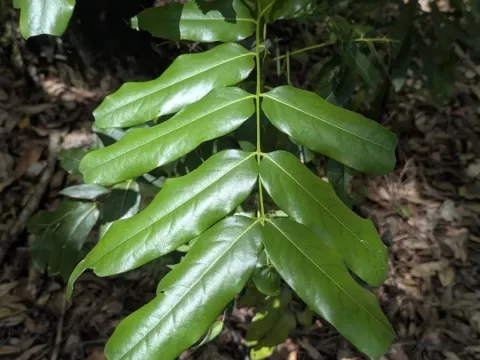
Castanospermum (Castanospermum australe), commonly known as the Moreton Bay Chestnut, is the sole species within its genus belonging to the Fabaceae family. It is a robust evergreen tree characterized by pinnate leaves and striking yellow-to-orange flowers.
What the section contains
Castanospermum
Native to the subtropical and tropical rainforests of eastern Australia and the Pacific Islands, the plant thrives in environments with high humidity and fertile, well-draining soil. It is well-adapted to areas with abundant rainfall throughout the year.
For successful cultivation, the plant requires bright, indirect light. Exposure to direct midday sun can scorch the foliage, while insufficient light may hinder photosynthesis and lead to leggy, unattractive growth patterns.
Temperature management is critical for this species. It prefers a range between 18°C and 25°C. Exposure to temperatures below 10°C is generally harmful and may trigger a dormancy response or cause extensive cold damage to the tissues.
The substrate must provide excellent drainage while maintaining adequate moisture. A mix of peat, bark, and perlite is often ideal to prevent root asphyxiation, as this species is particularly susceptible to rot in waterlogged conditions.
Common pests associated with Castanospermum include spider mites, scale insects, and mealybugs. These organisms primarily target the undersides of leaves and young stems, drawing vital sap from the vascular system.
Root rot, often caused by Phytophthora or Pythium species, remains the most significant threat to the health of the plant. It is primarily driven by poor drainage, excessive watering, and cold, damp soil conditions.
Leaf spots, usually fungal in origin, can develop in stagnant, humid environments with poor airflow. Maintaining good ventilation around the canopy is essential to mitigate these risks effectively.
It is important to note that the seeds of this plant contain alkaloids and are toxic if ingested. When cultivating the plant in domestic settings, ensure it is kept away from curious pets and small children.
Regular inspection and proactive pest management using organic oils or specific insecticides can keep the plant healthy and free from common infestations, ensuring long-term ornamental value.