
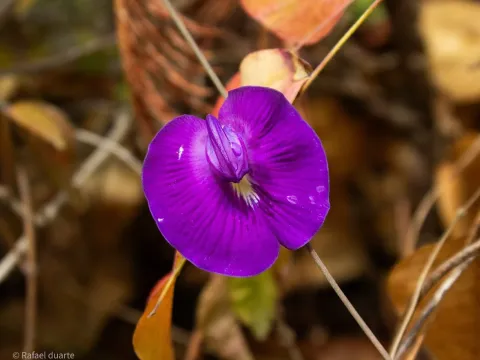
Centrosema brasilianum
Centrosema brasilianum
Sowing of Centrosema brasilianum is typically carried out at the beginning of the rainy season when the soil is sufficiently moist for seed germination. Optimal planting time occurs when air temperatures are consistently above 20-25 degrees Celsius.
What the section contains
Centrosema brasilianum
Prior to sowing, it is recommended to scarify the seeds to improve germination, as the hard seed coat can delay plant development. The seeding rate varies depending on the method used and whether the crop is intended for forage or green manure.
To establish high-quality pasture land, seeds should be sown at a depth of no more than 1–2 centimeters. Ensuring good seed-to-soil contact is essential for achieving uniform emergence within the first two weeks post-planting.
In regions with distinct seasonality, it is advisable to consider rainfall forecasts for the month following sowing. A lack of moisture during the early growth phase significantly reduces the survival rate of young seedlings.
Intercropping with other grass species allows for a balanced forage base to be established within the first year of the plant's vegetation cycle.
Centrosema brasilianum belongs to the Fabaceae family and is a perennial herbaceous plant with creeping or twining stems. The crop is valued for its high adaptability to the poor, acidic soils often found in tropical latitudes.
The plant prefers sunny areas and does not tolerate heavy shading under forest canopies. It demonstrates high resistance to short-term drought periods, making it suitable for cultivation in regions with variable moisture.
The optimal soil pH for this crop ranges from 4.5 to 6.5. Centrosema effectively utilizes symbiosis with nitrogen-fixing bacteria to enrich the soil with atmospheric nitrogen.
For optimal development, the plant requires well-drained soils, as waterlogging in the root zone can lead to fungal infections. It grows successfully in both loams and light sandy soils if sufficient nutrients are provided.
The minimum temperature for active growth is 18 degrees Celsius; the culture is highly sensitive to frost and low positive temperatures.
The productivity of Centrosema brasilianum directly depends on rainfall intensity and soil fertility. Under favorable conditions, green matter yield can range from 5 to 10 tons of dry matter per hectare annually.
The high protein content in the leaves (ranging from 15 to 22%) makes this crop a valuable component for ruminant animal diets. Regular application of phosphorus fertilizers significantly increases plant biomass.
Agricultural uses include cattle grazing, hay production, and high-quality silage. With moderate grazing management, the pasture can maintain productivity for 4 to 6 years.
Maximum yields are achieved through proper rotation of rest and grazing cycles, which prevents depletion of the root system.
Using it as a cover crop allows for effective weed suppression while simultaneously conserving soil moisture.
The primary threats to Centrosema are fungal leaf diseases, such as anthracnose, which develop in conditions of high humidity. Affected areas can spread rapidly, reducing the nutritional value of the forage.
Among pests, leaf-eating caterpillars and weevils pose the greatest danger, potentially damaging the vegetative mass. In some cases, insect damage to seeds has been observed during the maturation period.
To control pest populations, it is recommended to follow crop rotation practices and monitor crop health during critical growth stages. Disease outbreaks are often linked to high stand density and poor air circulation.
The use of insecticides on forage fields should be limited by strict pre-harvest intervals to prevent chemical residues from entering the animal food chain.
Balanced plant nutrition with potassium and phosphorus helps strengthen the crop's immunity and increases its resistance to pathogens.