
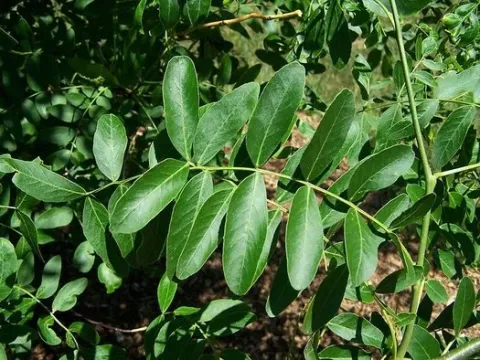
Caspian locust
Gleditsia caspica
The Caspian locust (Gleditsia caspica) is a deciduous tree belonging to the Fabaceae family, native to the Caucasus and Northern Iran. It is widely recognized for its robust nature, large thorns, and pinnate leaves, making it an essential species for biodiversity and land reclamation projects.
What the section contains
Caspian locust
To thrive, this species requires deep, fertile, and well-drained soils. While it can tolerate a variety of soil types, including slightly saline or clay soils, it prefers locations with ample moisture during the early stages of establishment to ensure a healthy root system.
Climate adaptability is a key feature, as it favors warm temperate zones with plenty of direct sunlight. The tree displays good drought tolerance once established, making it suitable for areas where water management is crucial for agricultural and silvicultural success.
Agricultural management involves periodic thinning and pruning to maintain the tree's vigor and health. Because it is a nitrogen-fixing species, it plays a vital role in soil enrichment, making it an ideal choice for intercropping or mixed-forest plantations.
Its economic importance covers several sectors, including the production of high-quality, decay-resistant timber, use as a bee-friendly honey plant, and application in windbreak installations to prevent soil erosion in open agricultural fields.
The Caspian locust is susceptible to several pests, including the locust leaf miner and various species of aphids that congregate on young shoots and buds during the active growing season.
Fungal diseases such as leaf spots can occur, particularly in nurseries or densely planted areas with high humidity levels. Maintaining appropriate planting density is a primary strategy for preventing the spread of these pathogens.
Effective management includes regular monitoring for signs of stress, such as yellowing leaves or premature shedding, which often indicate underlying soil or pest-related issues.
Mechanical damage to the bark must be avoided during maintenance, as open wounds provide entry points for secondary pathogens and wood-boring insects that could compromise the tree's structural integrity.
Integrated pest management strategies, emphasizing the use of beneficial insects and mechanical controls, are recommended over heavy chemical reliance to preserve the ecological value of the planting site.