
Carolina vetch
Vicia caroliniana
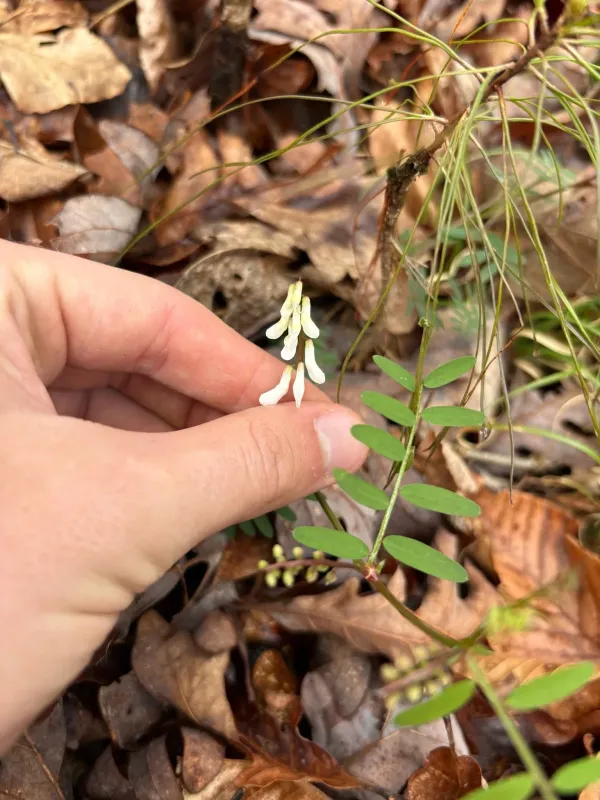
Description
Growing requirements
Carolina vetch (Vicia caroliniana) is a perennial herbaceous plant belonging to the Fabaceae family. Native to North America, it is typically found in woodland habitats, riverbanks, and slopes, thriving in diverse natural environments.
Botanically, it is characterized by its slender, climbing stems that utilize tendrils to attach to surrounding vegetation. Its foliage is pinnately compound, and the plant produces attractive racemes of white to pale pink flowers during the spring season.
The culture requires well-drained, nutrient-rich soils to reach its full development. While it is adaptable, it performs best in locations that provide consistent moisture and protection from extreme midday heat, reflecting its woodland origins.
Agricultural management of Carolina vetch focuses on maintaining the symbiotic relationship between the roots and nitrogen-fixing bacteria. This feature helps in enhancing soil fertility, making it an excellent candidate for sustainable land management projects.
Economically, Carolina vetch is highly regarded for its ecological role as a nectar source for pollinators. Its ability to colonize areas and improve soil structure makes it a valuable plant for restoration ecology and conservation farming.
Main diseases and pests
Disease pressure in Carolina vetch is often associated with fungal infections such as root rot, which can occur if the soil remains waterlogged for extended periods. Proper site selection and soil drainage are essential for crop health.
Pests, particularly aphids, can infest the tender shoots during the early growth stages, potentially stunting development. Integrated pest management strategies are recommended to keep populations below threshold levels.
Powdery mildew may manifest when humidity levels are high and airflow within the canopy is insufficient. Ensuring proper spacing during sowing helps mitigate the risk of fungal spread across the plantation.
Weevils may present a challenge during the reproductive stage, targeting the seeds and reducing the potential for natural reseeding. Regular field inspections are necessary to identify and manage these pests effectively.
Implementing a balanced crop rotation system and utilizing certified, disease-free seed stock provides the best foundation for minimizing threats and ensuring the longevity of Carolina vetch stands.