
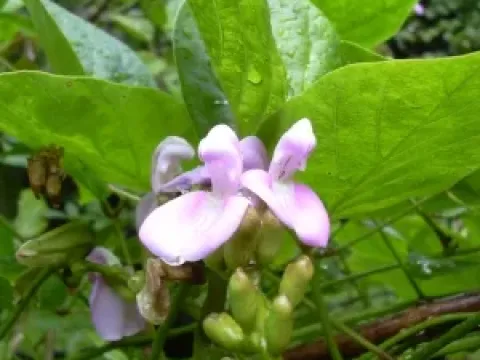
Canavalia virosa
Canavalia virosa
Canavalia virosa is a climbing legume species belonging to the Fabaceae family, native to tropical regions where it thrives under warm, humid conditions during the rainy season.
What the section contains
Canavalia virosa
The sowing process begins by preparing the soil to ensure good aeration, with seeds placed at a depth of 3–5 cm, allowing for optimal germination rates as temperatures rise above 20°C.
This crop requires full sun exposure to reach its maximum vegetative potential, making it unsuitable for shaded areas where its growth rate significantly decreases.
It prefers well-drained soils, although it shows remarkable versatility across different soil types, including those with relatively low fertility due to its nitrogen-fixing capabilities.
Adequate moisture is critical during the seedling establishment phase, yet established plants possess a robust root system that provides moderate drought tolerance once the plant is fully matured.
The yield of Canavalia virosa is primarily valued for its biomass, which serves as a source of livestock feed and organic matter for soil improvement in agroforestry and traditional farming systems.
When used as a green manure, the crop effectively enriches the topsoil, enhancing overall nutrient availability for subsequent planting cycles in crop rotation programs.
Typical threats include various fungal pathogens such as leaf spot and powdery mildew, which are prevalent in high-humidity climates if plant density is too high and ventilation is restricted.
Insects like the bean weevil pose a significant risk to stored seeds, necessitating proper drying and storage conditions to maintain the viability of the grain for future seasons.
Harvesting for fodder is typically conducted during the flowering stage to ensure the highest protein content and digestibility for livestock consumption before the plant becomes too fibrous.
Seed harvesting should occur once the pods turn brown and start to dry naturally, which requires careful timing to prevent shattering and ensure that the seeds are fully developed before threshing.