
Cassia bacillaris
Cassia bacillaris
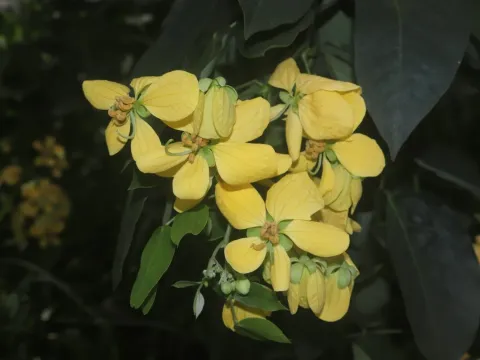
Cassia bacillaris is a vigorous evergreen shrub or small tree belonging to the Fabaceae family. It is characterized by its spreading habit and delicate pinnate leaves, which provide a lush, green appearance, making it a popular choice for tropical landscape projects.
What the section contains
Cassia bacillaris
The species originates from the tropical regions of Central and South America. Due to its tropical nature, it thrives in warm environments with consistent temperatures, failing to survive in frost-prone climates, which restricts its cultivation to tropical and subtropical zones.
For successful growth, this plant requires a location with full sun exposure, as insufficient light will lead to poor flowering and leggy growth. The soil should be well-drained and fertile, ideally with a slightly acidic to neutral pH, to ensure healthy root development.
Cultivation practices involve regular irrigation, particularly during dry seasons, to keep the root system moist but not waterlogged. Pruning is essential to maintain the desired shape and size, as the plant can grow quite rapidly and may become unkempt without regular maintenance.
In terms of agricultural and horticultural use, Cassia bacillaris is primarily valued for its ornamental properties. It is widely used in parks and residential landscaping to provide vibrant yellow floral displays, contributing significantly to the aesthetic value of the garden space.
Common pests affecting this species include aphids, whiteflies, and spider mites, which can proliferate quickly during hot, dry weather. Integrated pest management strategies, including the use of neem oil or insecticidal soaps, are recommended for effective control.
Diseases such as root rot and leaf spot are typically associated with poor drainage and excessive humidity around the root zone. Proper soil management and ensuring adequate spacing between plants to encourage air circulation are critical for reducing the risk of these infections.