
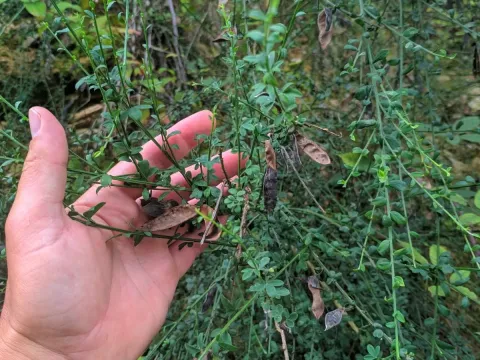
Cantabrian broom
Cytisus cantabricus
Cantabrian broom (Cytisus cantabricus) is a perennial ornamental shrub belonging to the Fabaceae family. Known for its resilient nature, this plant is characterized by its woody stems and attractive, typically bright-colored flowers that bloom in spring.
What the section contains
Cantabrian broom
The species originates from the mountainous regions of Northern Spain. It is well-adapted to rocky, poor soils and thrives in regions characterized by Mediterranean or mild oceanic climates where drainage is optimal.
In terms of agricultural requirements, this plant demands full sun exposure to flourish. Soil conditions should be slightly acidic to neutral, with excellent drainage to prevent root rot, as the species is intolerant to waterlogged environments.
Maintenance involves minimal irrigation once the plant is established, as it possesses significant drought-tolerance mechanisms. Annual pruning after the flowering season is advised to maintain a dense, bushy growth habit and prevent the plant from becoming overly leggy.
Host use is primarily ornamental. It is highly valued in horticulture for rock gardens, slope stabilization due to its deep root system, and as a low-maintenance feature in sustainable landscape design projects.
Common pathological issues include powdery mildew, which often develops in humid, stagnant conditions. Root rot may also occur if the drainage system is inadequate, leading to plant decline or mortality.
Pest challenges include aphids and spider mites, which specifically target the succulent tips of young branches. Infestations are more prevalent during periods of prolonged drought or heat stress.
Effective management requires proactive monitoring of foliage health. Ensuring proper spacing between plants is crucial to facilitate airflow, which significantly reduces the risk of fungal proliferation.
If chemical interventions are necessary, targeted insecticides or fungicides should be applied during the early stages of infestation to minimize impact on the surrounding environment and local pollinators.
Cultural practices such as removing leaf litter and ensuring the plant has adequate access to sunlight are essential components of an integrated pest and disease management strategy for this species.