
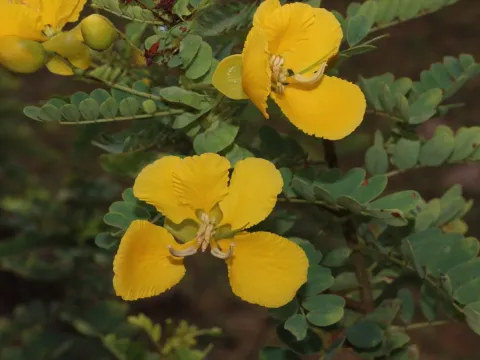
Cassia auriculata
Cassia auriculata
Sowing seeds of Cassia auriculata is typically performed at the onset of the rainy season to ensure optimal moisture levels for germination. The seeds have a hard seed coat, so scarification or soaking in warm water for several hours is highly recommended before planting in the soil.
What the section contains
Cassia auriculata
The crop can be established through direct seeding in prepared beds or by transplanting seedlings. When using the seedling method, seeds are sown in containers four to six weeks before transplanting, maintaining a stable temperature above 20 degrees Celsius to facilitate vigorous growth.
Spacing between plants should be at least 1.5 to 2 meters, considering the shrub's high growth potential and the need for adequate air circulation. Overcrowding often leads to fungal infections due to high humidity within the canopy, which can significantly damage plant health.
Selection of the planting site should prioritize areas with full sun exposure, as this species is highly light-demanding. Shaded conditions cause leggy growth and reduce flower production, which directly impacts the quality and quantity of the harvested medicinal raw material.
Optimal sowing times may vary depending on the local climate, but the key factor remains the combination of warm weather and regular precipitation, which helps the young plant develop a strong taproot system during the critical early stages of development.
Cassia auriculata, belonging to the Fabaceae family, is a perennial evergreen shrub that thrives in tropical and subtropical climates. Ideal conditions require plenty of direct sunlight and consistently warm temperatures throughout the growing season for maximum biomass production.
The plant is relatively undemanding regarding soil types, but it performs best in well-drained loam or sandy soils with a neutral to slightly acidic pH. It is sensitive to waterlogging, so areas with heavy clay soils must be improved with drainage systems to prevent root damage.
Agricultural management should account for the plant's drought tolerance; however, regular irrigation is vital during the first few years to ensure the establishment of a robust root system. Once mature, the crop can withstand short periods of drought without losing its vigor or quality.
The crop responds well to organic fertilization during active growth stages, which stimulates leaf production. Mineral fertilizers rich in phosphorus and potassium are recommended shortly before the peak flowering period to enhance the concentration of bioactive compounds in the plant tissues.
Sanitary and formative pruning is a crucial part of the agricultural process. It allows for the maintenance of a compact shrub shape, facilitates easier harvesting, and stimulates the development of new lateral branches where flowering occurs, which is the primary value of this species.
The primary pests affecting Cassia auriculata are various aphid species and spider mites, which can infest young leaves during dry spells. Regular monitoring and the application of biological insecticides are effective ways to control these populations before they cause significant damage.
Among fungal diseases, powdery mildew poses the greatest threat, appearing as a white dusty coating on the leaves. This condition is triggered by temperature fluctuations and high humidity, making proper spacing between plants essential for effective ventilation and disease prevention.
Root rot can develop due to improper watering regimes and poor soil drainage. This infection compromises the root system, leading to wilting, yellowing of the leaves, and eventual plant death if immediate actions are not taken to improve aeration in the root zone.
Caterpillars of certain butterfly species may cause damage by feeding on foliage, which reduces the plant's photosynthetic capacity. In cases of significant infestation, manual removal or the application of selective, eco-friendly biological pesticides is recommended to protect the crop.
To prevent the spread of pathogens, it is vital to practice strict crop rotation and avoid over-irrigating the fields. Using high-quality, virus-free planting material is a fundamental prerequisite for ensuring the longevity and productivity of the plantation over several years.
Harvesting Cassia auriculata involves the collection of flowers, leaves, and bark, all of which possess significant medicinal properties. Flowers are harvested at the peak of full bloom, as this is when the concentration of active medicinal compounds reaches its maximum for processing.
Leaves can be collected throughout the growing season, selecting only the healthiest and most intact foliage. It is important to harvest under dry conditions to prevent raw material decay during the drying process and to ensure long-term storage without losing essential oils or tannins.
Drying is performed in the shade under well-ventilated shelters or in specialized mechanical dryers at temperatures not exceeding 40–45 degrees Celsius. Strict temperature control is essential, as excessive heat can degrade the delicate organic compounds for which the crop is cultivated.
After drying, the material must be sorted to remove impurities, woody parts, and damaged segments. Storage should be done in airtight containers or paper bags in dark, cool, and dry rooms to prevent the oxidation of components caused by light and environmental moisture.
Crop yields depend heavily on irrigation consistency and the application of nutrients throughout the season. With proper care, a Cassia auriculata plantation provides a stable supply of raw material for several years, making it a viable and profitable option for small and medium-scale farms.