
Eriosema
Eriosema
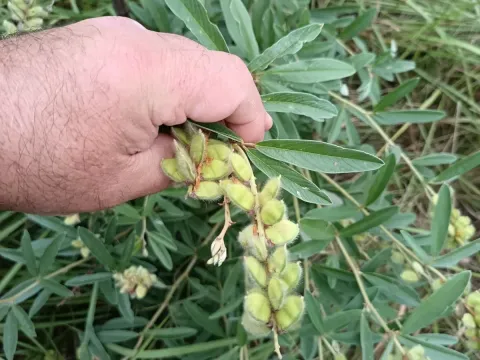
Eriosema is a diverse genus of the Fabaceae family, comprising perennial herbs and subshrubs primarily distributed across tropical and subtropical regions. These plants play a vital role in local ecosystems by contributing to soil enrichment through biological nitrogen fixation.
What the section contains
 Eriosema cordatum
Eriosema cordatum
Eriosema cordatum
 Eriosema crinitum
Eriosema crinitum
Eriosema crinitum
 Eriosema glomeratum
Eriosema glomeratum
Eriosema glomeratum
 Eriosema griseum
Eriosema griseum
Eriosema griseum
 Eriosema heterophyllum
Eriosema lateriticola
Eriosema lateriticola
Eriosema laurentii
Eriosema laurentii
Eriosema heterophyllum
Eriosema heterophyllum
Eriosema lateriticola
Eriosema lateriticola
Eriosema laurentii
Eriosema laurentii
 Eriosema macrostipulum
Eriosema macrostipulum
Eriosema macrostipulum
 Eriosema montanum
Eriosema montanum
Eriosema montanum
 Eriosema parviflorum
Eriosema pellegrini
Eriosema pellegrini
Eriosema parviflorum
Eriosema parviflorum
Eriosema pellegrini
Eriosema pellegrini
 Eriosema psoraleoides
Eriosema spicatum
Eriosema spicatum
Eriosema verdickii
Eriosema verdicki
Eriosema psoraleoides
Eriosema psoraleoides
Eriosema spicatum
Eriosema spicatum
Eriosema verdickii
Eriosema verdicki
 Eriosema youngii
Eriosema youngii
Eriosema youngii
 Himalayan Eriosema
Eriosema himalaicum
Himalayan Eriosema
Eriosema himalaicum
Eriosema
The sowing process is typically timed to coincide with the onset of the rainy season, ensuring adequate moisture for germination and early seedling establishment. Proper timing is crucial to allow the root system to develop before the drier months, ensuring the plant's resilience.
As a legume, Eriosema forms symbiotic relationships with nitrogen-fixing bacteria within its root nodules. This property makes the genus highly valuable for sustainable agricultural practices, as it helps replenish nitrogen levels in depleted tropical soils and enhances long-term soil health.
The plant architecture ranges from prostrate to erect, depending on the specific species and environmental conditions. This morphological plasticity allows different Eriosema species to colonize a variety of niches within tropical grasslands and open woodland habitats.
In terms of хозяйственное (economic) use, many species are utilized as high-quality forage for livestock, providing essential protein content in regions where green fodder is scarce during the dry season. Furthermore, they serve as effective cover crops to prevent soil erosion.
Eriosema thrives in well-drained soils, showing a preference for sandy loams or light textured substrates. The genus is highly sensitive to waterlogging; therefore, selecting sites with excellent natural drainage is paramount to avoid root rot and plant mortality.
Regarding climate, these plants are strictly tropical and require consistent, frost-free temperatures for optimal growth. They demonstrate an impressive ability to survive on nutrient-poor or acidic soils, which makes them a priority candidate for reclaiming marginal land in tropical farming systems.
Exposure to full sunlight is generally preferred for the robust development of the plant's foliage. Shade tolerance varies by species, but for agricultural production, open fields that receive maximum solar radiation are recommended to ensure peak yields of biomass.
The establishment phase requires careful weeding, as seedlings are slow to gain vigor and can easily be outcompeted by aggressive weeds. Once the canopy closes, Eriosema becomes highly competitive, effectively suppressing weed growth through its dense, sprawling foliage.
No complex fertilization regime is typically required due to the plant's nitrogen-fixing capacity. However, if phosphorus or potassium levels in the soil are extremely low, supplemental application may boost the overall biomass production during the main growing phase.
The most significant threats to Eriosema cultivation are fungal infections, especially those affecting the root and collar zones under high-humidity conditions. Fungal pathogens flourish in stagnant water, necessitating careful management of irrigation and site drainage.
Insect pests, including various beetles and lepidopteran larvae, often feed on the leaves and pods, reducing both vegetative biomass and seed production. Implementing integrated pest management strategies, including the use of pheromone traps and biological predators, is often more effective than chemical control.
Viral diseases transmitted by sap-sucking insects can lead to stunted growth and reduced nitrogen-fixing efficiency. Maintaining clean seeds and ensuring spatial separation from highly susceptible wild hosts can help mitigate the spread of these viral infections within a plantation.
Herbivory by free-roaming livestock requires strictly managed grazing or protective fencing, especially during the early stages of plant development. Overgrazing can weaken the plants and lead to the degradation of the stand, reducing the long-term productivity of the area.
Improper soil management that leads to severe compaction can inhibit root development and make the plants more susceptible to environmental stress. Maintaining good soil structure is essential for keeping the plants healthy and ensuring they can perform their ecological and agricultural functions.