
Eriosema parviflorum
Eriosema parviflorum
Description
Sowing dates
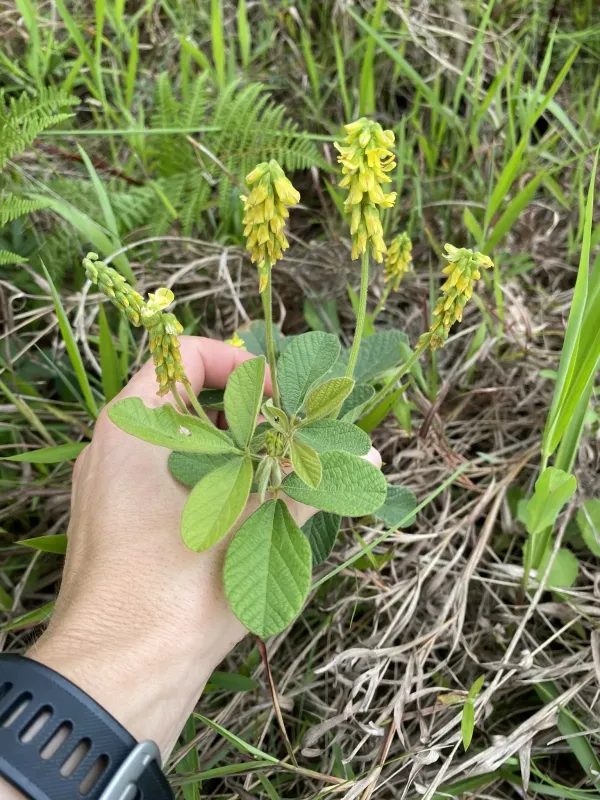
Eriosema parviflorum is a herbaceous plant belonging to the Fabaceae family. Native to tropical regions of Africa and parts of South America, this plant is well-adapted to savanna environments and requires specific conditions for successful establishment.
Sowing should ideally occur at the onset of the rainy season to provide sufficient moisture for germination and early root growth. Proper establishment depends heavily on the timing of the first significant rainfall in its native growing zones.
Seeds often require scarification to break dormancy and ensure uniform emergence. The sowing depth should be maintained between 2 to 3 centimeters in well-prepared, friable soil to optimize the contact between the seed and soil particles.
Plant density should be adjusted based on the intended use of the crop, whether for soil stabilization or biomass production. Providing sufficient space between plants allows for improved air circulation and light penetration.
The species thrives in open, sunny locations and is intolerant to shading. Ensuring adequate sunlight exposure throughout the growth cycle is critical for developing a robust, healthy plant structure.
Growing requirements
Eriosema parviflorum prefers well-drained, sandy or loamy soils with a pH ranging from neutral to slightly acidic. Effective drainage is paramount, as the plant is highly sensitive to waterlogged conditions that lead to root rot.
The plant exhibits notable drought tolerance once established, thanks to its deep taproot system. This biological trait allows it to survive in regions characterized by distinct dry and wet seasons typical of tropical environments.
Temperature requirements are strictly tropical, with optimum growth occurring between 22 and 30 degrees Celsius. The plant cannot tolerate frost or prolonged exposure to temperatures near or below freezing.
Nitrogen fixation is a significant agricultural asset of this legume. Through its association with specific soil bacteria, Eriosema parviflorum contributes to soil enrichment, often eliminating the need for synthetic fertilizers.
Maintenance involves diligent weeding, especially during the early stages of growth when the plant is establishing its root system and may struggle to compete with aggressive grasses or weeds.
Main diseases and pests
Fungal pathogens causing root and crown rots represent a primary threat, particularly when soil moisture management is inadequate. These diseases can devastate plantations in high-humidity climates.
Various insect pests, including lepidopteran larvae and beetles, can damage the foliage. Regular scouting is essential to identify infestations early and prevent significant loss of photosynthetic leaf area.
Nematode infestations can occur in soils where the same crop is planted repeatedly. Implementing a diverse crop rotation system is the most effective biological control measure for these soil-borne pests.
Leaf spotting diseases may appear during seasons of prolonged rainfall or high humidity. Maintaining adequate spacing and improving airflow are effective strategies for reducing the incidence of foliage-related pathogens.
- Use high-quality, pest-free seeds for planting
- Rotate crops to prevent build-up of soil-borne pathogens
- Ensure field drainage to prevent root-zone saturation
- Implement periodic monitoring for foliage-feeding insects