
Eriosema heterophyllum
Eriosema heterophyllum
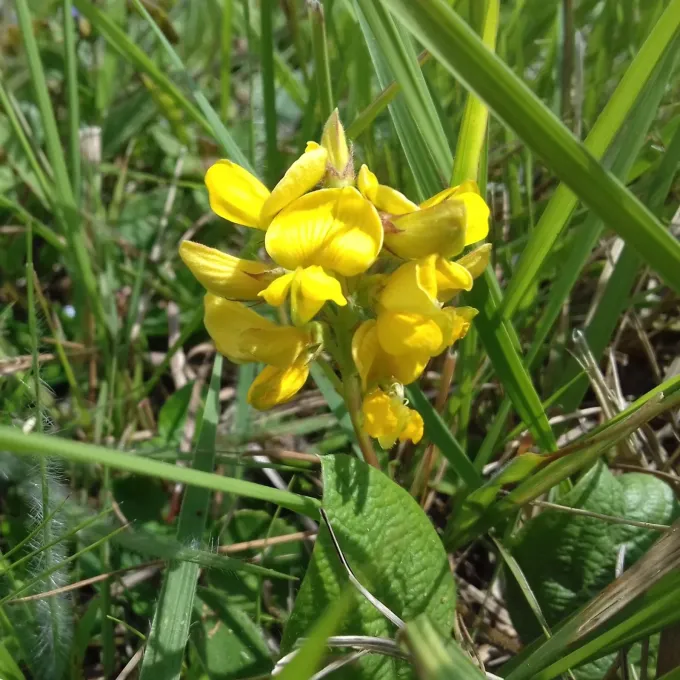
Description
Sowing dates
Eriosema heterophyllum is a perennial herbaceous plant belonging to the Fabaceae family. In natural habitats, its life cycle begins when temperatures become consistently warm, typical of tropical and subtropical climates.
The optimal sowing time in agricultural practice coincides with the onset of the rainy season, providing sufficient soil moisture for the establishment of a robust root system.
Pre-sowing seed scarification is highly recommended, as the hard seed coat characteristic of many legumes can delay germination if not treated properly.
Seeding rates are determined by the intended end-use of the crop, whether it is for hay production, green manure, or general pasture improvement.
In regions with distinct seasonality, sowing should be timed so that the plants complete their initial vegetative growth phase well before the onset of extreme dry conditions.
Growing requirements
The crop thrives in well-drained soils with a neutral to slightly acidic pH, consistent with most leguminous species that require adequate aeration for root health.
While the plant shows notable tolerance to temporary moisture stress, consistent rainfall during the vegetative phase is critical for maximizing biomass production.
Eriosema heterophyllum is well-adapted to low-fertility soils due to its symbiotic relationship with nitrogen-fixing bacteria, which helps enrich the substrate with nitrogen.
The plant has high light requirements and is highly sensitive to shading, which makes it less suitable for cultivation in dense, mixed-cropping systems without proper spacing.
Ideal temperatures for development range between 22°C and 30°C; however, the plant is susceptible to frost damage, which can severely impact the aerial parts of the crop.
Yield
The biomass yield of Eriosema heterophyllum is largely dependent on stand density and the overall agronomic strategy, particularly the application of micronutrients during the early growth stages.
Under intensive management, multiple harvests per growing season are possible if the climatic conditions support rapid regrowth after cutting.
Its potential as a high-protein fodder source makes it a valuable asset in livestock nutrition, often outperforming common grasses in nutritional density.
The total yield of dry matter is directly correlated with the harvest timing, with peak nutrient accumulation occurring at the late budding and early flowering stages.
In breeding programs, seed yield can be enhanced through pollinator management, as the plant relies on entomophilous mechanisms for successful seed set.
Main diseases and pests
Common threats to the crop include various fungal diseases of the root system, which are often exacerbated by waterlogged soils and poor drainage conditions.
Insect pests, especially those targeting the reproductive organs and seed pods, can significantly reduce yield if not monitored during the flowering period.
Powdery mildew may occur in dense plantings where air circulation is restricted, making proper spacing and humidity control essential for prevention.
Soil-borne nematodes can pose a risk by damaging roots, resulting in stunted growth and chlorosis, which underscores the importance of a proper crop rotation cycle.
Weed competition is a major concern during the establishment phase, as the plant exhibits relatively slow initial growth and limited competitiveness against aggressive weeds.
Harvesting
Harvesting for green fodder is best performed during the full vegetative growth phase, prior to stem lignification, to ensure maximum nutritional value and digestibility.
During hay production, careful drying techniques are required to preserve the leaf tissue, as the majority of the plant's protein content is concentrated there.
Seed plots should be harvested when the pods turn brown; avoiding over-maturation is vital to prevent pod shattering and subsequent loss of seeds in the field.
Mechanical harvesting requires precise equipment settings to minimize the crushing and loss of plant parts, which tend to become brittle upon drying.
Post-harvest management involves cleaning and drying the seeds to a moisture content that ensures stability and long-term storage without compromising germination potential.