
Erophaca
Erophaca
Erophaca is a genus of flowering plants belonging to the Fabaceae (legume) family. The most prominent species, Erophaca baetica, is a perennial subshrub native to the Mediterranean basin, known for its adaptability to harsh environments.
What the section contains

Erophaca
The plant thrives in well-drained, lime-rich, or rocky soils. It is particularly well-suited for regions characterized by arid or semi-arid conditions where water retention in the soil profile is limited.
Climatic requirements focus on mild winters and dry, sunny summers. Erophaca does not tolerate waterlogging; therefore, selecting sites with natural slopes or superior drainage systems is critical for successful cultivation.
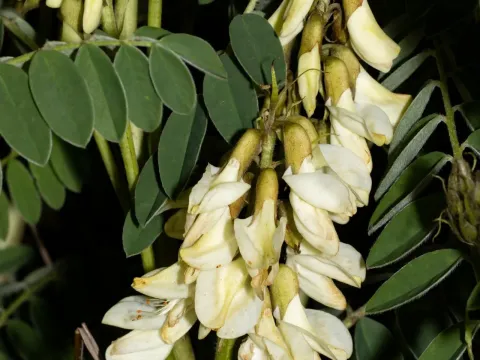
Botanically, it features pinnate leaves and attractive yellow blossoms typical of its family. Its growth pattern is compact, making it a stable and resilient plant in its native scrubland habitats.
Agricultural use is primarily focused on soil conservation and as an emergency forage source in marginal lands. Due to its nitrogen-fixing capabilities, it contributes positively to soil fertility in nutrient-poor areas.
The primary threat to Erophaca is root rot, which typically occurs when the substrate remains saturated for extended periods. Proper site selection and drainage management are the most effective preventive measures.
Common pests include aphids and various coleopterans that feed on foliage. Maintaining a healthy stand through appropriate monitoring helps mitigate the impact of these pests on overall plant vigor.