
Eriosema cordatum
Eriosema cordatum
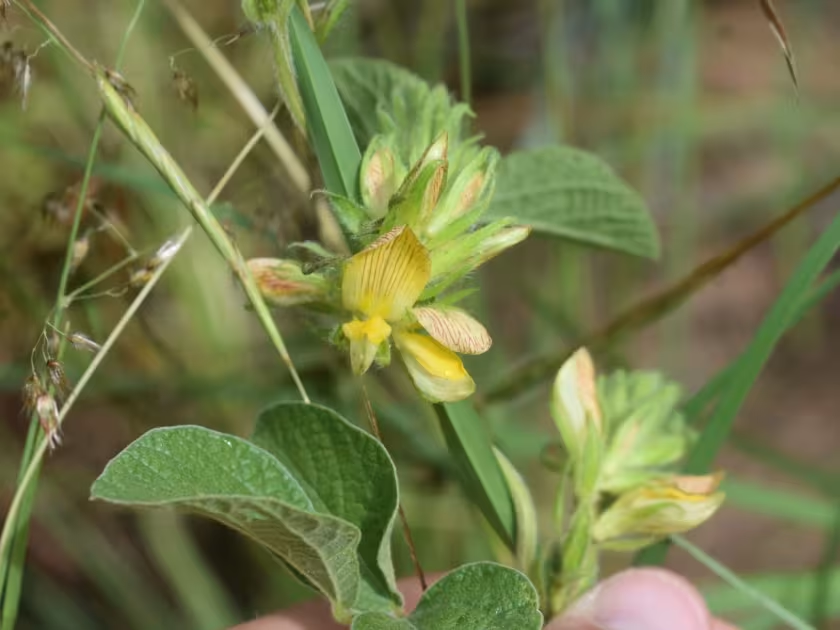
Description
Sowing dates
Eriosema cordatum is a perennial legume species characterized by its robust root system and ability to adapt to diverse environmental conditions. Establishing a crop requires careful attention to seed bed preparation, as the seeds benefit from pre-sowing treatments to overcome dormancy.
The ideal time for sowing is during the onset of the warm season when soil moisture is adequate for germination. Sowing depth should be shallow, generally not exceeding three centimeters, to ensure the small seeds have sufficient energy to reach the surface.
Spacing between rows should be optimized to balance plant density with available soil nutrients. Wider spacing is often preferred when the plant is used for soil stabilization or as a perennial component in forage systems to reduce competition.
In the initial growth stages, the plant develops slowly. Weed management is critical during the first few months to ensure that seedlings are not choked out by faster-growing invasive species, which could stunt their development.
Proper inoculation with specific rhizobia strains can significantly enhance the plant's nitrogen-fixing capacity. This is a vital agronomic practice that improves soil health and reduces the need for synthetic nitrogen fertilizers in the production cycle.
Growing requirements
The plant thrives in well-drained, slightly acidic to neutral soils. It is notably sensitive to waterlogged conditions, which can lead to root decay and decreased yields. Choosing sites with good vertical and lateral drainage is essential for success.
Sunlight requirements are high, as Eriosema cordatum is a heliophilous species. It should be grown in open fields away from tree lines that might create heavy shade, as reduced light levels significantly curtail biomass production and flowering.
Regarding temperature, the crop requires a warm environment, ideally between 20 and 30 degrees Celsius. While it shows tolerance to short-term dry spells, consistent moderate rainfall throughout the growing season is necessary for maximal vegetative output.
Nutrient requirements are modest due to its symbiotic nitrogen fixation. However, phosphorus and potassium levels in the soil should be monitored, as these are critical for root health and the formation of nitrogen-fixing nodules on the root system.
The crop is frost-sensitive. In regions with cold winters, the aerial parts will die back, but the root crown may survive if protected by mulch or sufficient soil cover, allowing the plant to sprout again when temperatures rise.
Main diseases and pests
The main threats to Eriosema cordatum are soil-borne pathogens, particularly fungi that thrive in overly moist conditions. Improving soil aeration and avoiding excessive irrigation are the primary cultural practices used to manage these risks.
Foliar insects, including beetles and various caterpillar species, can cause significant damage to the leaf tissue. Integrated pest management strategies, such as using biological controls or selective insecticides, are recommended if thresholds are exceeded.
Nematodes are another concern in specific soil types, as they interfere with root function and reduce the plant's ability to absorb water and minerals. Crop rotation is the most effective way to prevent the buildup of these soil pests.
Fungal diseases like leaf spot may appear during periods of high humidity. These infections manifest as chlorotic or necrotic spots, which can spread rapidly if the canopy remains damp for extended periods, necessitating improved spacing.
Monitoring the field for signs of stress is crucial. Early detection of any pest or disease outbreaks allows for timely intervention, protecting the overall yield potential and maintaining the health of the plant population for future seasons.
Harvesting
Harvesting for forage should occur during the pre-flowering or early-flowering stage. This is when the nutritional content, particularly protein and soluble carbohydrates, is at its peak, providing the highest quality feed for livestock.
When mechanical harvesting is employed, the cutter bar must be set at an appropriate height to avoid damaging the crown. This ensures that the plants can regenerate quickly, supporting multiple cuttings within a single growing season.
For seed production, harvesting should take place when the pods are mature and have turned dark brown. It is important to harvest before the pods naturally split and disperse their seeds, a common mechanism in many legume species.
Post-harvest management involves drying the harvested biomass in a shaded, well-ventilated area to prevent mold growth. Moisture levels should be carefully monitored before baling or storage to preserve the nutritional integrity of the crop.
Cleaning and sorting seeds after harvest ensures a high-quality seed lot for the next planting. Using screens and air separators helps remove chaff and inert material, which are common contaminants in the final seed product of this legume.