
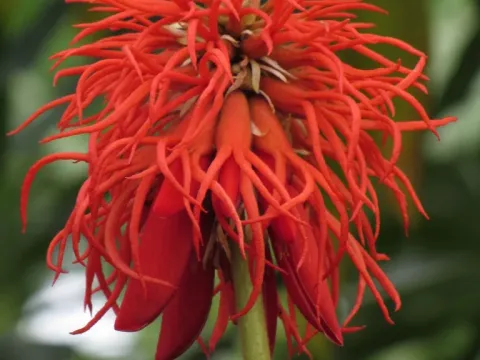
Erythrina
Erythrina
Erythrina is typically propagated through seed germination or stem cuttings, requiring specific preparation methods to ensure successful development.
What the section contains


Erythrina
Seeds must undergo scarification because of their hard seed coat, which prevents water absorption and significantly delays natural germination processes.
The optimal sowing time occurs in spring when temperatures are consistently warm, favoring rapid root initiation and initial growth of the young seedlings.
When using cuttings, growers should select healthy, semi-hardwood stems and use rooting hormones to promote faster establishment in a well-draining substrate.
During the early stage, it is crucial to protect young plants from direct, scorching sun and excessive wind while ensuring a stable, moist environment.
As a member of the Fabaceae family, Erythrina is valued for its nitrogen-fixing capabilities, which can improve soil quality in integrated agricultural systems.
The crop thrives in full sun exposure and requires well-structured, porous soils to prevent root asphyxiation caused by water saturation.
Climate requirements for Erythrina include high temperatures and protection from frost, as the plant is highly sensitive to cold-related stress.
Water management is critical; while the crop needs adequate moisture for growth, it is essential to allow the soil surface to dry out between watering cycles.
Proper aeration is essential for the root system, which helps in maintaining the health and vigor of the tree throughout its life cycle.
Spider mites are a primary concern for Erythrina, especially when the plant is grown in areas with low atmospheric humidity and high temperatures.
Mealybugs and scale insects may also colonize the branches, depleting the plant's resources and creating entry points for secondary fungal infections.
Fungal pathogens such as root rot can severely impact the crop if the planting site does not have adequate drainage or if watering is excessive.
- Monitor for signs of pest infestations on the undersides of leaves.
- Remove any withered or infected branches to ensure plant hygiene.
- Apply preventative fungal treatments during periods of high environmental stress.
Integrated pest management, including natural predators and targeted chemical applications, is recommended to keep the population of harmful insects under control.