
Enterolobium schomburgkii
Enterolobium schomburgkii
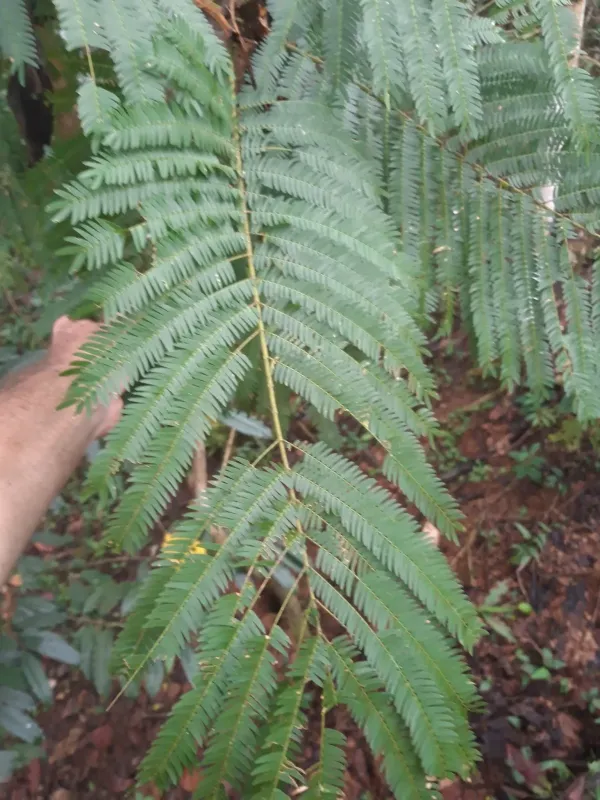
Description
Growing requirements
Enterolobium schomburgkii is a prominent member of the Fabaceae family, native to the tropical regions of South America. This tree species is highly valued in its natural habitat for its structural role in forest ecosystems and its ability to fix atmospheric nitrogen into the soil.
The tree requires a tropical climate with high humidity and consistent warmth to reach its maximum growth potential. It is sensitive to frost and does not tolerate prolonged dry seasons, making it ideal for tropical environments with abundant annual rainfall.
Soil conditions are critical for this species; it prefers deep, well-drained loamy soils with a pH ranging from slightly acidic to neutral. Sites with poor drainage or stagnant water must be avoided to prevent root diseases and ensure optimal growth rates.
Regarding silviculture, the tree is often used in reforestation projects and as part of agroforestry systems. Its canopy provides valuable shade for understory crops, while its roots contribute to long-term soil health and fertility enhancement.
The timber obtained from Enterolobium schomburgkii is recognized for its durability and workable qualities. Properly managed plantations can provide a sustainable source of lumber while simultaneously contributing to the sequestration of carbon in tropical landscapes.
Main diseases and pests
Pathogenic fungi represent the primary threat to the species, particularly in nursery settings where humidity levels might be excessive. Root rot, induced by poor soil drainage, can lead to significant mortality rates among juvenile trees if not addressed properly.
Wood-boring insects are the most destructive pests for established trees. These insects create galleries within the wood, which not only stunts tree growth but also severely degrades the commercial value of the timber produced by the plantation.
Defoliating insects can cause major damage during periods of environmental stress. While the tree can recover from minor leaf loss, repeated outbreaks require monitoring and the potential use of integrated pest management practices to maintain plantation productivity.
Good agricultural practice, including the removal of infected debris and the selection of vigorous genetic material, is essential to mitigate these risks. Providing adequate space between trees reduces the rapid spread of airborne pathogens within a dense plantation.
Sustainable maintenance programs should prioritize biological control agents and localized interventions over broad-spectrum chemical treatments. This approach protects the delicate balance of the local ecosystem while ensuring the health of the commercial wood crop.