
Eriosema griseum
Eriosema griseum
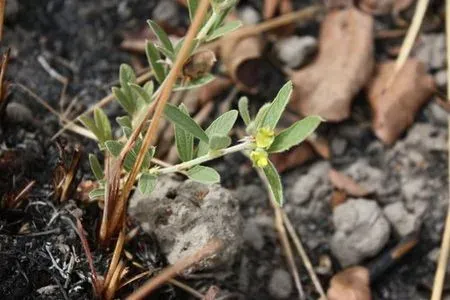
Description
Sowing dates
Eriosema griseum is a perennial legume that requires careful planning during the sowing stage to ensure long-term viability. The seeds should be planted in well-prepared, friable soil to facilitate root penetration and establishment of the nitrogen-fixing nodules.
The optimal sowing time is when soil temperatures are consistently above 15 degrees Celsius. Ensuring the seedbed is free from heavy clods allows for a more uniform depth of sowing, which is critical for consistent emergence across the field.
Recommended row spacing is between 30 and 45 centimeters to provide sufficient space for plants to develop their canopy. This spacing also allows for mechanical weed control if required during the first stages of crop establishment.
The seeds should be sown at a depth of approximately 3 centimeters. Applying adequate moisture immediately after sowing helps break seed dormancy and accelerates the germination process in this hardy legume species.
As a perennial crop, initial establishment is the most critical phase. Providing adequate space and nutrients during the first season ensures the plant builds a robust root structure capable of supporting subsequent growth cycles.
Growing requirements
Eriosema griseum thrives in tropical and subtropical climates where solar radiation is abundant. It shows good drought tolerance, making it a reliable option for regions that experience seasonal moisture fluctuations.
The crop prefers well-drained soils, ranging from sandy loams to lighter clay textures. It is sensitive to waterlogging; therefore, selecting sites with natural drainage or installing tile drainage systems is recommended for higher productivity.
Like many legumes, it forms a symbiotic relationship with bacteria, enabling biological nitrogen fixation. This natural process improves soil fertility and provides an essential service for sustainable crop rotation systems.
Temperatures ranging from 20 to 30 degrees Celsius are ideal for active photosynthesis and biomass accumulation. While the plant can survive heat stress, extreme temperatures combined with lack of water may induce premature senescence.
Proper nutrient management involves focusing on phosphorus and potassium levels in the soil. These nutrients support the development of strong roots and the overall health of the legume, ensuring vigorous regrowth after harvesting.
Main diseases and pests
Fungal diseases, particularly those affecting the foliage, are the most common threats to Eriosema griseum when grown in humid conditions. Leaf spots can rapidly spread through the crop if not managed with good ventilation.
Pests such as beetles and lepidopteran larvae may feed on leaves and young stems. Integrated Pest Management (IPM) strategies, including the use of biological control agents and maintaining field borders, are effective ways to mitigate damage.
Root rot is often a consequence of poor drainage and over-irrigation. Ensuring the soil is never saturated for long periods is vital to preventing soil-borne pathogens from attacking the root systems of these perennial plants.
Maintaining a healthy, balanced soil microbiome through organic amendments helps suppress soil-borne diseases. Avoiding excessive chemical pesticide use preserves the natural predators of common pests.
- Regular field scouting for early signs of disease.
- Utilizing resistant varieties to minimize yield losses.
- Implementation of crop rotation to break pathogen cycles.
- Properly managing irrigation to avoid waterlogged conditions.
- Timely weed management to ensure optimal airflow within the field.