
Himalayan Eriosema
Eriosema himalaicum
Description
Growing requirements
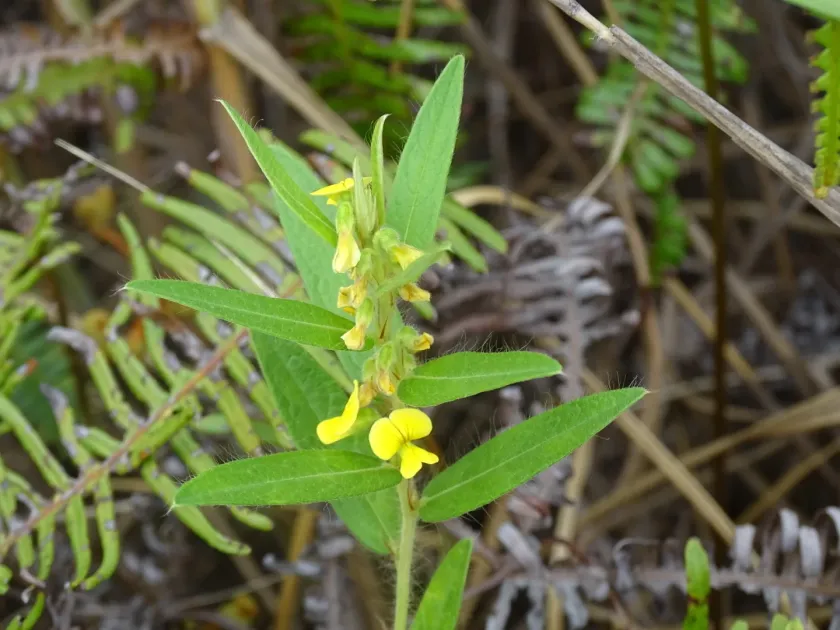
Himalayan Eriosema (Eriosema himalaicum) is a perennial herbaceous plant belonging to the Fabaceae family. It is characterized by a robust root system and a growth habit that allows it to thrive in varied topographical conditions, commonly found in mountainous terrains.
Native to the Himalayan region and parts of South Asia, this crop is adapted to high-altitude environments. It has evolved to survive in cool, temperate to subtropical climates where it can withstand fluctuating diurnal temperatures and intense sunlight exposure.
The plant requires well-drained, fertile soil, ideally with a neutral to slightly acidic pH. Proper soil structure is critical for Himalayan Eriosema, as the species is highly sensitive to waterlogging, which can cause significant damage to its underground structures and rhizomes.
From an agronomic perspective, this legume is valued for its nitrogen-fixing capabilities through symbiotic relationships with soil bacteria. This attribute makes it an excellent choice for soil fertility restoration programs and sustainable agricultural rotations in its native range.
The primary agricultural use of Himalayan Eriosema lies in its potential as a forage crop for livestock. Furthermore, due to its resilient nature and soil-binding properties, it serves as an effective ground cover plant, contributing to the prevention of soil erosion in vulnerable landscape areas.