
Eperua
Eperua
Eperua is a genus of evergreen trees belonging to the Fabaceae family, specifically the Caesalpinioideae subfamily. These trees are native to the tropical rainforests of South America, primarily flourishing within the Amazon basin and the Guiana Shield region.
What the section contains


Eperua
The genus thrives in a strictly tropical climate, requiring high annual temperatures and substantial, consistent rainfall. They are not adapted to frost or significant seasonal aridity, making them exclusive to humid, equatorial forest ecosystems where microclimates remain stable.
Regarding edaphic requirements, Eperua species prefer well-drained but consistently moist soil conditions. They are frequently found in riparian habitats or on alluvial soils, which provide the necessary hydrological conditions and nutrient influx for vigorous growth.
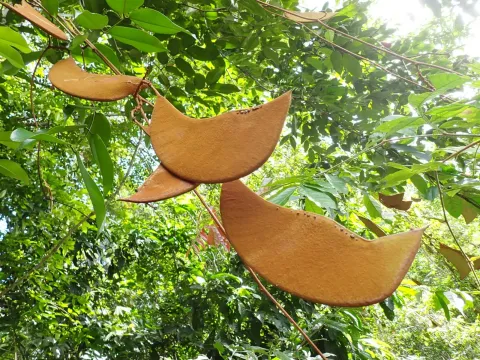
Botanically, these trees are recognized by their distinct, often pendulous inflorescences and the typical leguminous fruits, known as pods. The structure of their wood and foliage is adapted to high-competition forest environments, allowing them to occupy various vertical layers of the canopy.
In terms of economic utility, Eperua is highly regarded for its dense, durable wood. This timber is utilized extensively in heavy-duty construction, fine furniture making, and specialty woodworking where resistance to rot and insect infestation is a critical requirement.