
Enterolobium contortisiliquum
Enterolobium contortisiliquum
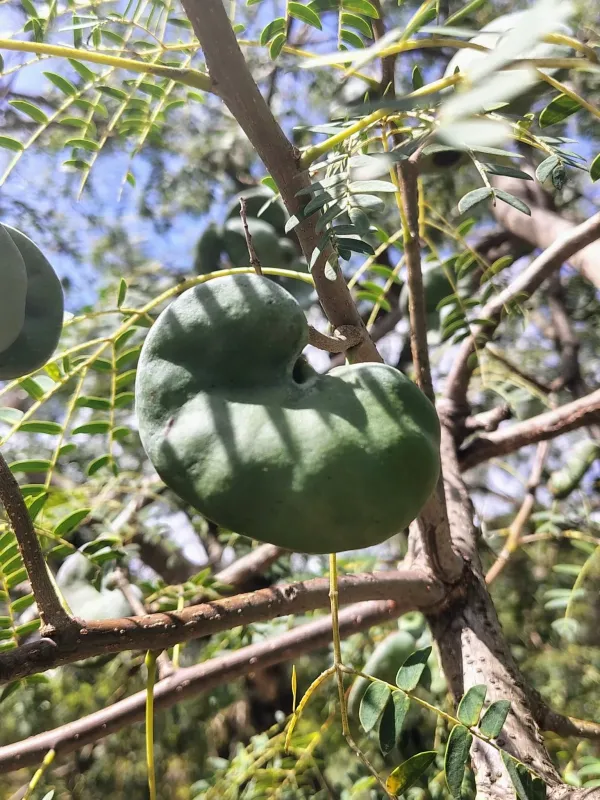
Description
Growing requirements
Enterolobium contortisiliquum is a prominent deciduous tree belonging to the Fabaceae family. Known for its rapid growth rate and expansive canopy, this species plays a vital role in tropical and subtropical ecosystems across South America.
Originating from regions such as Argentina, Brazil, and Paraguay, the tree is well-adapted to various environments, including floodplains and forest margins. Its ability to thrive in diverse habitats makes it an important species for reforestation and ecological restoration projects.
The cultivation of this crop requires well-drained, fertile soils with a pH ranging from slightly acidic to neutral. While it exhibits tolerance to varied conditions, it prefers deep soils that allow for extensive root development, ensuring stability and access to nutrients.
Climate requirements include warm temperatures and consistent access to sunlight. As a photophilous species, it demands open spacing to develop a strong, straight trunk, which is essential for maximizing its potential in timber production and ornamental landscaping.
The economic value of this tree is significant, providing high-quality timber known for its durability and ease of processing. Furthermore, its ability to fix atmospheric nitrogen contributes to soil fertility, enhancing the growth of neighboring plant species in agroforestry systems.
Main diseases and pests
Common threats include fungal diseases that affect the foliage, especially during seasons characterized by high humidity and poor ventilation. Proper spacing and thinning of the canopy are essential preventive measures to maintain optimal tree health.
Pest populations can pose risks, particularly during the juvenile stage of the tree. Insect species that target seeds and foliage can impede development, necessitating regular monitoring and appropriate management strategies to minimize damage.
Root rot pathogens represent a significant concern when soil drainage is inadequate. Ensuring that planting sites do not suffer from waterlogging is a critical agronomic requirement for long-term survival and vigor.
Biological control methods, such as encouraging natural predators, are preferred to manage pest outbreaks while preserving the local biodiversity within the plantation area. Chemical interventions should be used sparingly and only when necessary.
Weed management during the initial years of growth is crucial for establishing a healthy stand. Competing vegetation can severely limit the resources available to young trees, so mulching and regular clearing are necessary agricultural practices.