
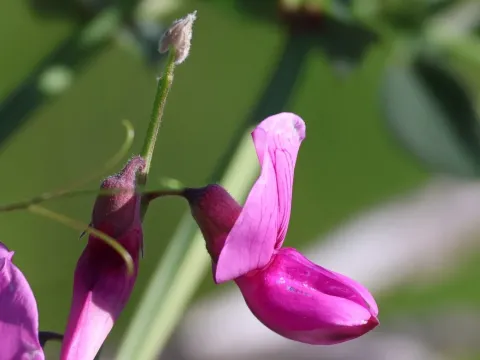
Vavilovia
Vavilovia
Vavilovia is a distinct genus of perennial herbaceous plants within the legume family (Fabaceae), represented by the species Vavilovia formosa. Native to the high-altitude regions of the Caucasus, it is recognized as a rare relict plant with exceptional physiological resilience.
What the section contains
Vavilovia
This crop thrives in harsh alpine environments, requiring specific conditions that mimic its native habitat. It prefers rocky, well-drained soils and is highly adapted to cooler temperatures, making it a subject of interest for climate-resilient agricultural research.
Agrotechnical requirements for Vavilovia are rigorous due to its sensitivity to waterlogging and soil composition. Successful cultivation requires excellent drainage and a substrate that prevents moisture accumulation, which can be lethal to the root system of this species.
The primary agricultural utility of Vavilovia lies in its status as a genetic reservoir. Its natural ability to withstand extreme abiotic stresses provides a valuable gene pool for breeders attempting to improve the drought and cold tolerance of commercial pulse crops.
While commercial cultivation as a primary food source is currently not feasible, the plant is being researched in controlled settings to extract beneficial genes that could potentially revolutionize the durability of future legume cultivars.
Vavilovia faces significant risks due to its extremely narrow endemic range. Climate change poses the most immediate threat, as the shifting ecological niches in the Caucasian mountains may render current habitats unsuitable for its survival.
In experimental nurseries, the plant is susceptible to various fungal pathogens that typically affect the Fabaceae family, including powdery mildew and root rot. These diseases can proliferate rapidly if environmental humidity levels are not kept strictly controlled.
Pest pressure is a concern when cultivating this species outside its native environment; common pulse-feeding insects, such as aphids and weevils, can significantly debilitate young plants by draining vital nutrients and damaging reproductive structures.
The loss of specific nitrogen-fixing soil bacteria, which are symbiotic partners of Vavilovia in high-mountain ecosystems, is a critical threat. Without these specific microorganisms, the plant fails to maintain nutritional homeostasis and vigor.
Because of its rarity, conservation efforts are paramount. Any agricultural research involving Vavilovia must be balanced with strict protection policies to ensure the integrity of its wild populations, which are currently listed in various regional Red Books.