
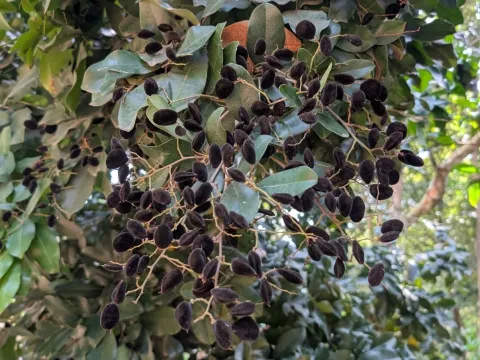
Dialium guineense
Dialium guineense
Dialium guineense, commonly known as the velvet tamarind, is a perennial leguminous tree native to the tropical forests of West Africa. It thrives in humid environments with well-defined wet and dry seasons, demonstrating excellent adaptability to a wide range of soil conditions.
What the section contains
Dialium guineense
The tree prefers deep, fertile, and well-drained soils, although it exhibits significant tolerance for rocky or sandy substrates. Optimal growth occurs in tropical zones where temperatures remain consistently between 22°C and 32°C, ensuring continuous metabolic activity.
Sunlight exposure is crucial for the development of a healthy canopy and the stimulation of fruit production. Planting in open, well-spaced plots allows for maximum photosynthetic efficiency, which translates into higher biomass accumulation and increased crop yield.
Root system architecture is robust and deep, allowing the plant to reach groundwater layers during periods of low rainfall. However, during the juvenile stage, protection against waterlogging is essential to prevent root asphyxiation and subsequent fungal infections.
Agrotechnical management involves regular soil nutrient monitoring and the application of organic fertilizers. Keeping the plantation area clear of competing invasive weeds ensures that the trees can maximize resource uptake from the soil during the peak growing season.
The velvet tamarind is a highly valued economic crop primarily grown for its edible fruits, which are characterized by a sweet and tangy pulp. Adult trees are capable of producing substantial harvests, making them a staple in local agroforestry systems.
Fruit production is typically cyclic, often peaking after the rainy season. By implementing scientific pruning methods, farmers can encourage the growth of fruit-bearing branches, thereby optimizing the yield per tree and ensuring consistent output for market supply.
In addition to the fruit, the wood of Dialium guineense is highly prized for its durability and resistance to wear. It is widely used in construction, tool making, and furniture, providing farmers with a secondary stream of income from the same plantation.
Market demand for velvet tamarind products, including beverages and preserves, continues to grow, incentivizing smallholders to expand their cultivation areas. Efficient post-harvest management is the key to maintaining high profitability in this agricultural sector.
Techniques such as grafting superior cultivars allow for faster maturation and higher fruit quality. Continuous research into improved varieties is helping farmers transition from subsistence collection to organized, high-yield commercial farming.
The primary threats to Dialium guineense plantations include fungal leaf diseases that thrive in high humidity and stagnant air. Maintaining proper spacing between trees during the initial planting phase is the most effective way to prevent the spread of such pathogens.
Pests, particularly fruit-boring insects and aphids, can significantly reduce the marketable yield if not managed early. Integrated pest management (IPM) strategies, including biological controls and selective pruning, are recommended to protect the developing fruit crop.
Root rot is a critical concern, especially in fields with poor drainage or during extreme monsoon events. Ensuring that the soil structure permits rapid water percolation is vital for the long-term health and stability of the tree population.
Weed control is essential, particularly around the root zone of young saplings, as competing vegetation can rob the tree of essential micronutrients. Mulching is a recommended practice to suppress weed growth while maintaining optimal soil moisture levels.
Regular surveillance and the removal of infected plant material are mandatory components of maintaining a healthy plantation. Adopting rigorous hygiene practices in the orchard reduces the need for heavy chemical applications and supports sustainable farming.
Harvesting typically commences when the exterior velvet-like shell of the fruit turns deep brown or black, signaling full maturity. At this stage, the pulp achieves the ideal balance of sweetness and acidity that consumers expect from this tropical treat.
Manual picking is the standard practice, as it prevents damage to the delicate branches and ensures that only mature fruit clusters are collected. Skilled workers use specialized hooks or light ladders to access higher branches without causing structural stress to the tree.
Post-harvest, the fruits are sorted by size and quality. Given the fruit's sturdy shell, they exhibit excellent shelf stability, allowing for storage in cool, dry conditions for an extended period, which facilitates easier distribution to distant markets.
For long-term storage or export, fruit may be processed into dried form, which concentrates the flavor profile and increases transport efficiency. This processing adds value to the raw product and reduces food waste significantly.
Effective logistics and cold chain management after harvest are critical for maximizing the economic return. Farmers who invest in proper packaging and sorting facilities often command a premium price for their high-quality, undamaged velvet tamarind produce.