
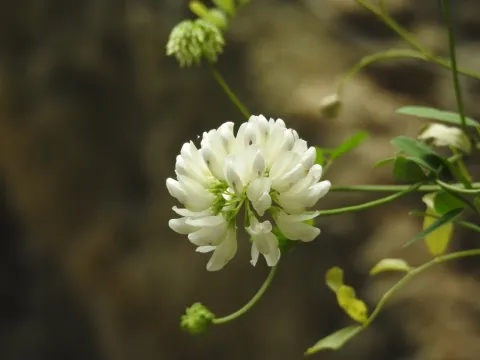
Coronilla globosa
Coronilla globosa
Coronilla globosa is a perennial herbaceous plant belonging to the Fabaceae family. Sowing is generally conducted in early spring, once soil temperatures consistently reach 5-8 degrees Celsius to facilitate uniform germination.
What the section contains
Coronilla globosa
The seeds should be planted at a shallow depth of 2 to 3 centimeters, ensuring adequate seed-to-soil contact. Proper seedbed preparation is essential for this species to establish its deep root system effectively.
A seeding rate of approximately 12–15 kg per hectare is recommended for forage purposes. This density optimizes the balance between canopy coverage and individual plant development within the field.
Emergence typically occurs within 14–20 days. Since the initial growth phase is relatively slow, careful weed management during the establishment year is crucial to ensure the plants are not outcompeted.
Utilizing high-quality, pre-treated seeds can significantly increase the percentage of successful establishment, allowing for a robust stand from the very first year of cultivation.
This crop thrives in well-drained, fertile loamy or sandy soils. It is particularly noted for its high tolerance to calcareous soils, making it an excellent candidate for the reclamation of degraded sites.
As a light-loving species, it requires full sun exposure for optimal photosynthetic efficiency. Excessive shading by neighboring vegetation or dense canopy cover will lead to reduced biomass production.
Coronilla globosa exhibits significant drought tolerance thanks to its deep-reaching taproot. This physiological trait allows it to maintain productivity even in semi-arid environments where other legumes might fail.
The ideal soil pH range for this species is between 6.5 and 7.5. In highly acidic soil environments, liming is recommended to support the necessary symbiotic nitrogen-fixing bacteria on the root system.
Winter hardiness is a key characteristic of the species, allowing it to survive temperate winters without significant damage, provided it is well-established before the first deep freeze.
Yields of green matter can reach 15–20 tons per hectare under intensive management. The high protein content of the foliage makes it a valuable feed source for livestock and game animals.
Seed production is a viable economic goal for growers, with potential yields of 300–500 kg per hectare. Favorable pollination conditions are vital during the flowering stage to ensure high seed set.
Peak biomass yield is typically achieved from the second year onward once the perennial rootstock is fully matured and the plant has developed a healthy nitrogen-fixing nodule population.
Balanced fertilization, particularly with phosphorus and potassium, supports generative growth and enhances overall yield. Nitrogen application is usually unnecessary due to the plant's symbiotic fixation abilities.
Integrating Coronilla globosa into multi-species forage mixtures can help provide a stable nutrient profile for animal feed throughout the various stages of the growing season.
Fungal pathogens such as powdery mildew and various rusts can impact the crop, particularly in humid or stagnant air conditions. Ensuring good ventilation through proper stand management is the best defense.
Weevil species can damage foliage and root tissue, especially in young plants. Integrated pest management practices, including monitoring and biological control, are recommended to minimize losses.
Aphid infestations may occur during dry spells, which can affect the vigor of the plant and decrease seed yield if the timing coincides with the critical flowering phase.
Root rots are primarily a risk in waterlogged soil conditions. Proper site selection and drainage management are essential to maintain stand longevity and prevent soil-borne disease outbreaks.
Regular field scouting allows for the early detection of pests or disease symptoms, enabling targeted interventions that adhere to sustainable agricultural guidelines and safety regulations.
For high-quality forage, the optimal harvest time is during the budding or early flowering stage. This phase provides the best nutritional balance, including the highest protein and mineral concentrations.
When harvesting for hay, gentle handling is necessary to prevent the loss of leaves, which are the most nutrient-dense part of the plant. Avoid over-drying to maintain leaf attachment during baling.
Seed harvesting should be performed using a two-stage process. Swathing the crop allows for uniform maturation, reducing shatter losses and maximizing the quality of the harvested seed lot.
Post-harvest cleaning and drying are critical. Seeds must be dried to a moisture content of 14% or less and stored in cool, ventilated conditions to preserve viability for future planting.
Proper stubble management after the final harvest is important for plant health. Leaving sufficient residue before winter supports the plant's ability to store energy for successful regrowth in the following season.