
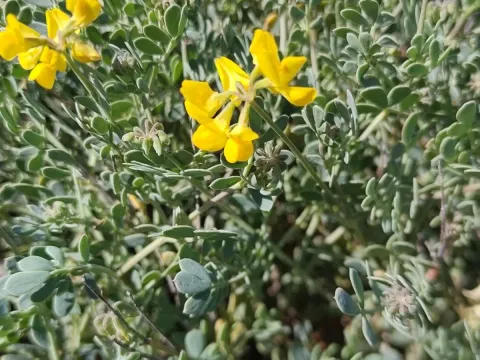
Coronilla minima
Coronilla minima
Coronilla minima is a perennial legume that is typically propagated by seeds. Sowing should be carried out in early spring, once the soil has warmed sufficiently and the risk of late frosts has passed to ensure optimal germination.
What the section contains
Coronilla minima
The seeds have a hard seed coat, making scarification or stratification a necessary step to improve germination rates. Seeds should be planted at a shallow depth of approximately 1 to 2 centimeters to allow the seedlings to emerge easily.
A row-sowing method is recommended for this crop to facilitate maintenance, such as weeding and aeration. Maintaining consistent soil moisture during the initial stage of growth is crucial for establishing a healthy plant population.
In regions with suitable climatic conditions, the plant is capable of spreading vegetatively through its root system. This expansion helps in filling gaps within the field and creates a more uniform plant cover over time.
Intercropping with hardy grasses can improve the overall stability of the field and provide a better structure for the soil. This practice also helps in managing the nitrogen-fixing properties of the Coronilla effectively.
This species thrives in well-drained, lime-rich soils. It is particularly adapted to rocky or calcified substrates where other crops might struggle, making it an excellent choice for marginal land reclamation.
Coronilla minima prefers sunny, open environments and shows high sensitivity to shade. It is a drought-tolerant plant, capable of sustaining growth in arid conditions due to its deeply penetrating root system.
While the plant is versatile, heavy, waterlogged clay soils should be avoided, as these conditions significantly increase the risk of root pathogens. A loose, slightly alkaline soil composition is ideal for maximum growth.
The plant is highly frost-hardy and well-adapted to temperate climates. It does not require special winter protection, provided that the soil is not prone to flooding during the cold months.
Agronomic management should include early weeding to prevent competition from aggressive annual weeds. Once established, the plant becomes quite competitive and creates a thick mat that suppresses most weeds naturally.
The primary agricultural value of Coronilla minima lies in its ability to fix atmospheric nitrogen, thereby improving soil fertility. This makes it a valuable plant for sustainable agricultural systems aiming to reduce fertilizer input.
While used as fodder in some regions, caution is advised as certain Coronilla species contain toxic glycosides. It is generally recommended to use it as part of a mixed forage or to dry it thoroughly before ingestion by livestock.
The plant is highly regarded as a nectar source, supporting a diverse range of pollinators throughout its long flowering season. This makes it an asset for farms interested in enhancing local biodiversity and pollination services.
In terms of soil conservation, the plant is exceptionally effective at stabilizing slopes and preventing erosion. Its complex root network binds soil particles together, preventing surface runoff during heavy rain events.
The yield of green biomass depends on the management style and soil fertility levels. When maintained properly, Coronilla minima can provide a stable supply of organic matter for several years without needing replanting.
Fungal diseases like powdery mildew and various leaf spots are the most common threats to this crop, especially in environments with poor air circulation or high humidity. Promoting good airflow is the best preventative strategy.
Pests such as aphids and leaf-eating beetles can cause significant damage to the plant's foliage. Regular field monitoring is essential for early detection and the timely application of biological control methods.
Root rot is a major risk factor if the field is poorly drained or subject to water stagnation. Proper site selection and drainage management are critical for ensuring the longevity of the plant population.
To prevent the buildup of soil-borne pathogens, it is important to practice crop rotation. Planting Coronilla minima in the same spot for extended periods should be balanced with other crop varieties.
Heavy chemical interventions are usually unnecessary and discouraged. Instead, fostering a healthy ecosystem that supports beneficial insects and microbes is the preferred way to maintain crop health.
The harvesting of biomass should ideally take place during the full flowering stage, which is when the nutrient concentration within the plant tissues is at its highest. A cutting height of 5–7 centimeters is recommended.
Seed harvesting should be performed after the pods have matured and developed a characteristic brown color. Timing is crucial to avoid seed loss caused by the natural dehiscence of the pods when they become overly dry.
After collection, the seeds must be cleaned of debris and stored in a cool, dry place to maintain their viability for future planting seasons. Proper storage prevents moisture-induced decay.
Using the remaining biomass as a green manure is an effective way to recycle nutrients back into the soil. This practice enhances the organic matter content and supports the long-term fertility of the land.
Consistent, sustainable harvesting methods ensure that the plant persists as a perennial component of the farm, providing benefits related to soil health and ecological stability year after year.