
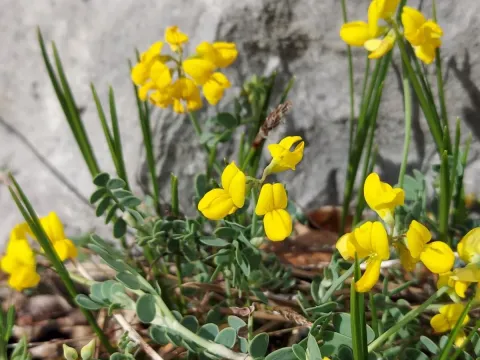
Coronilla vaginalis
Coronilla vaginalis
Coronilla vaginalis is a perennial herbaceous plant belonging to the Fabaceae family, adapted to diverse climatic conditions. Its growth cycle is characterized by slow initial establishment followed by robust development in subsequent years.
What the section contains
Coronilla vaginalis
Native to European mountain regions, this plant thrives in well-drained, lime-rich soils. It demonstrates remarkable tolerance to temperature fluctuations and can withstand harsh winter conditions in its typical habitat.
Botanically, it features pinnate leaves and specialized root systems that engage in nitrogen fixation. This biological process significantly contributes to soil fertility, making it an excellent candidate for sustainable agricultural rotations.
Successful cultivation requires minimal intervention once established, provided the soil is well-drained. It is highly valued for its persistence in permanent meadows and its ability to provide stable biomass for livestock.
The cultural practices for this species include proper spacing to ensure adequate light penetration and consistent monitoring of soil nutrient levels, particularly calcium and phosphorus content.
Major threats to this legume crop include fungal pathogens, such as Fusarium wilt, which typically manifest in waterlogged or overly compacted soil conditions.
Pests such as the pea leaf weevil (Sitona lineatus) can cause significant leaf damage, weakening the plant's photosynthetic capacity during the vegetative phase.
Effective management strategies involve crop rotation cycles and the application of balanced fertilization to enhance the natural resistance of the stands.
Monitoring for pest presence is essential during the early stages of growth, as young plants are particularly susceptible to insect damage.
Sustainable pest control methods, including the encouragement of natural predators, are recommended to maintain ecological balance within the cultivated area.