
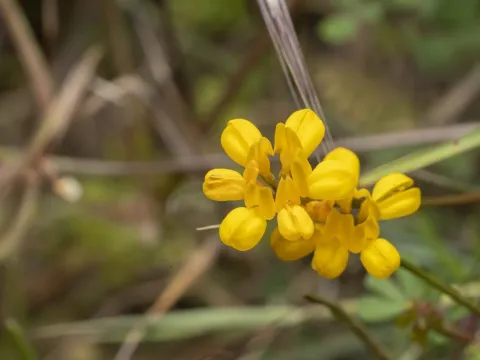
Coronilla rostrata
Coronilla rostrata
Coronilla rostrata is a perennial herbaceous plant belonging to the Fabaceae family. As a leguminous crop, it serves as a valuable forage resource, often utilized for the enrichment of pastures and hayfields due to its nutritional composition.
What the section contains
Coronilla rostrata
The plant originates from Southern Europe, where it has adapted to temperate and warm climates. It thrives in open, sunny environments and is best suited for cultivation in regions that do not experience prolonged waterlogging, as the root system requires well-aerated soil.
In terms of soil requirements, Coronilla rostrata prefers calcareous and nutrient-rich grounds. Its botanical structure allows it to establish a deep root system, which helps the plant stabilize the soil and extract necessary minerals even during dry spells.
Effective agrotechnical practices for this crop include maintaining adequate soil moisture during the peak vegetative period. While the plant shows reasonable drought tolerance, consistent growth depends on moderate rainfall or irrigation during early development stages.
The agricultural importance of this crop extends to its role in nitrogen fixation, which significantly improves soil fertility for subsequent crops in a rotation. It is a sustainable choice for farmers looking to enhance both forage quality and long-term land productivity.
Coronilla rostrata is susceptible to root rot diseases when cultivated in poorly drained soils. Farmers must ensure proper soil preparation and drainage to prevent the stagnation of water, which is a primary trigger for fungal pathogens.
Insect pests, such as weevils and aphids, can cause significant damage to the foliage and shoots during the growing season. Early detection of pest infestations is crucial for implementing timely protective measures and preventing yield reduction.
Fungal leaf spots represent another common threat, especially in dense stands where air circulation is restricted. Managing plant density and ensuring proper spacing during sowing helps to mitigate the spread of these infections in the field.
Weed control is essential during the initial growth stages, as the plant competes with aggressive weeds for resources. Mechanical cultivation or the use of approved herbicides in the early phases of development is recommended to ensure crop establishment.
Disease management should be integrated into the overall farm practice, focusing on healthy seeds and crop rotation. By avoiding monoculture and maintaining soil health, the overall susceptibility of the crop to environmental threats can be minimized.