
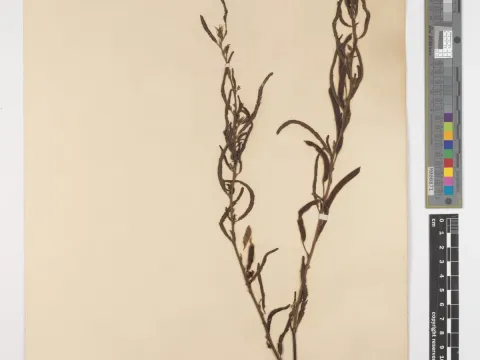
Cassia quarrei
Cassia quarrei
Cassia quarrei is a member of the Fabaceae family, highly valued for its adaptation to tropical environments. Sowing should ideally coincide with the onset of the rainy season, ensuring the moisture levels in the soil are sufficient to facilitate rapid and uniform germination of seeds.
What the section contains
Cassia quarrei
Due to the hard seed coat characteristic of many legumes, mechanical or chemical scarification is recommended before planting to improve germination rates. Seeds should be sown in rows spaced 45 to 60 centimeters apart, which provides ample space for the development of both the canopy and the root system.
The optimal planting depth is approximately 2 to 3 centimeters. Proper soil-to-seed contact is essential to prevent drying out and to ensure the emergence of healthy seedlings within the first two weeks of the growing period.
Soil temperature plays a crucial role in the development of Cassia quarrei, with the ideal range being 20 to 22 degrees Celsius. Maintaining consistent soil moisture during this initial stage is critical to avoiding stunted early development.
Weed management during the seedling stage is vital for the crop's establishment. Since the initial growth rate of Cassia quarrei is relatively slow, keeping the crop free from competing vegetation ensures that sunlight and nutrients are directed toward the plant's development.
This species thrives in well-drained, sandy or light loamy soils. Good aeration is essential for the root system, as waterlogging can lead to rapid decay of roots and the onset of various soil-borne diseases that can jeopardize the entire stand.
Cassia quarrei is a sun-loving plant that requires full exposure to sunlight for maximum biomass production. Shaded environments are unfavorable and often result in weak, leggy stems and a significant decrease in the overall nutritional quality of the forage.
Temperature requirements for active growth range from 24 to 30 degrees Celsius. While it demonstrates resilience against dry spells, optimal productivity is achieved under conditions of consistent rainfall or managed irrigation during the vegetative phase.
Soil pH levels should be maintained in the neutral to slightly acidic range to promote the activity of nitrogen-fixing bacteria. When growing in nutrient-poor soils, applying balanced fertilizers with adequate phosphorus and potassium can significantly boost plant health.
Protection from extreme temperature fluctuations is important, especially during the early stages of growth. As a tropical crop, it lacks frost tolerance and should only be grown in regions where temperatures remain consistently above freezing.
Yield capacity for Cassia quarrei is heavily dependent on proper crop management, including soil preparation and moisture regulation. When cultivated intensively, the crop can support multiple harvests per growing season.
The potential for high biomass production makes it an excellent choice for sustainable forage systems. Harvesting should be performed just before the flowering stage to ensure the nutritional content remains at its peak, providing high levels of protein and essential minerals.
Productivity can be further enhanced by applying micronutrient sprays during key growth phases, such as budding. This practice helps to stabilize yields even when environmental conditions are suboptimal.
The efficiency of the crop is also tied to plant density; proper spacing allows for consistent yields across the entire field. Growers are encouraged to monitor growth patterns to determine the best timing for the first and subsequent cuts.
Long-term yield stability is supported by maintaining a healthy crop rotation cycle. This practice ensures that the soil remains productive and that nutrient cycling remains effective throughout the life of the plantation.
The most common threat to Cassia quarrei stands is the development of root rots, which usually occur due to poor drainage or excessive soil moisture. Managing drainage systems effectively is the primary defense against these pathogens.
Insect pests that consume foliage can significantly reduce the photosynthetic capacity of the plants. Regular monitoring of the canopy is essential to identify early signs of infestation and to apply necessary control measures before extensive damage occurs.
Implementing a robust crop rotation strategy is the best way to prevent the buildup of soil-borne diseases. Avoiding the planting of Cassia on the same land for consecutive years is a standard practice in managing plant health.
In humid climates, leaf spot diseases may appear during periods of high rainfall. These can be managed through the prompt removal of infected plant materials and by ensuring adequate spacing to promote airflow within the plantation.
Using high-quality, disease-resistant seeds is the foundation of a healthy crop. Where chemical interventions are required, they should be applied judiciously to minimize the environmental footprint and preserve beneficial soil organisms.
Harvesting for seed production should take place when the pods have turned a distinct brown color and are beginning to dry naturally on the plant. Care must be taken to harvest just before the pods split to avoid significant yield loss in the field.
For forage production, mechanical mowing should be set at an appropriate height to prevent cutting too close to the ground, which facilitates faster regrowth of the plants. This method promotes multiple cuts throughout the season.
After harvesting, seeds must be thoroughly dried and cleaned to remove any debris or moisture that could lead to spoilage. Keeping seed moisture content below 14% is critical for long-term viability during storage.
Stored seeds should be kept in cool, dry, and rodent-proof containers. This ensures that the germination potential remains high for future planting cycles, minimizing the need for new seed procurement each season.
If the biomass is intended for silage, proper ensiling techniques should be followed to maintain the nutritional quality of the feed, ensuring it remains palatable and safe for livestock consumption throughout the year.