
Cassia planitiicola
Cassia planitiicola
Description
Growing requirements
Cassia planitiicola is a notable member of the Fabaceae family, native to the arid and semi-arid landscapes of Australia. This crop is specifically adapted to survive in harsh, high-temperature environments, demonstrating significant resilience to seasonal water scarcity and intense solar radiation.
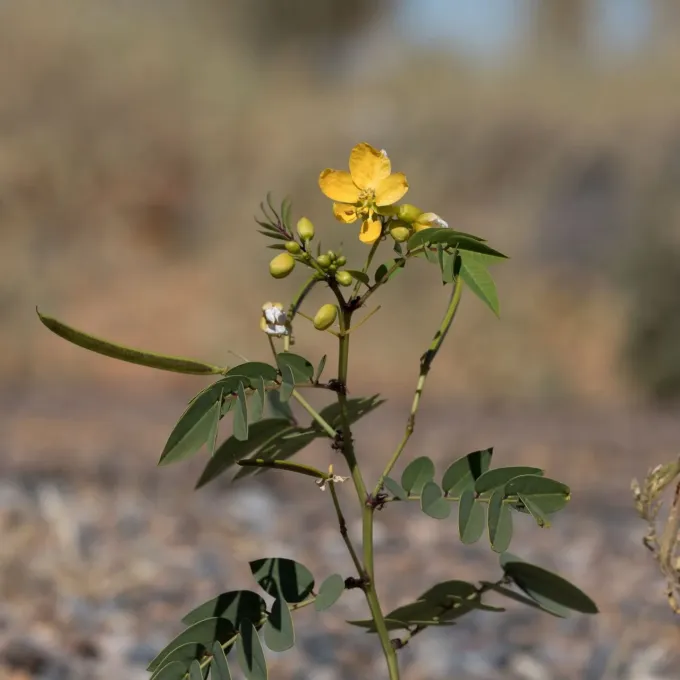
From a biological perspective, it exhibits a shrubby growth habit with a deep-reaching root system, enabling the plant to access moisture from subsurface soil horizons. The foliage is characteristically pinnate, allowing for efficient light interception while minimizing transpiration in hot climates.
The crop thrives in well-drained, sandy, or light-textured soils where aeration is optimal. It avoids waterlogged areas, as stagnant moisture can quickly compromise root health and lead to fungal outbreaks. Soil pH should ideally range from slightly acidic to neutral to ensure nutrient availability.
Agronomic management focuses on maintaining soil structure and supporting the plant's natural nitrogen-fixing abilities. Sowing should be timed with the onset of the wet season or appropriate irrigation cycles to ensure rapid germination and establishment in the field.
In terms of economic value, this species is increasingly recognized for its utility in land restoration projects and as a supplemental forage crop in dryland farming. By enriching the soil with nitrogen, it acts as a sustainable natural fertilizer for subsequent crop cycles.
Main diseases and pests
Pest pressure from lepidopteran larvae is a primary concern for this crop, as they can rapidly defoliate plants during the peak growth phase. Regular scouting is essential to identify early larval stages before they cause widespread economic damage to the canopy.
Root-rot pathogens such as Rhizoctonia are the most significant disease threats. These are often exacerbated by poor drainage or excessive irrigation, emphasizing the importance of field selection and proper water management throughout the growing season.
Sap-sucking insects like aphids can also affect plant vigor and serve as vectors for secondary viral infections. Integrating biological control measures, such as encouraging beneficial predatory insects, is a preferred strategy for sustainable management.
Weed infestation during the seedling stage poses a severe competition risk, often delaying maturation or reducing overall crop biomass. Effective mechanical or cultural weeding is necessary during the first few weeks to allow the crop to establish dominance.
To mitigate long-term disease buildup, farmers should strictly follow a rotation plan. Rotating with non-leguminous species helps break the lifecycle of specific soil-borne pathogens and ensures the long-term health and fertility of the agricultural plot.