
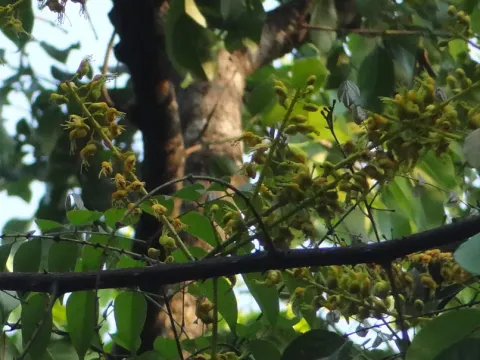
Caesalpinia cucullata
Caesalpinia cucullata
Caesalpinia cucullata is a significant botanical species belonging to the legume family (Fabaceae). Characterized by its vigorous climbing habit, this plant acts as an evergreen woody vine, showcasing adaptive growth patterns suitable for tropical and subtropical environments.
What the section contains
Caesalpinia cucullata
The origin of this culture is traced back to Southeast Asia, specifically across regions where high humidity and tropical sunlight dominate. It thrives in areas where temperature fluctuations are minimal, reflecting its evolution in stable equatorial climates.
Optimal growth requires well-drained, nutrient-rich soil with a slightly acidic profile. Soil compaction must be avoided at all costs, as the roots are sensitive to waterlogging, which often induces root rot and stunted growth in cultivated specimens.
Environmental requirements include a high light intensity, though it benefits from partial shading during the peak afternoon hours to prevent leaf scorching. In indoor or greenhouse settings, supplementing natural light with grow lamps is beneficial for maintaining a compact and healthy habit.
Agronomic management involves periodic pruning to regulate the plant's spread and promote denser foliage development. Fertilization should be strictly monitored during the growing season using balanced NPK fertilizers to support the plant's energy-intensive biological processes.
Primary health issues for this species involve fungal pathogen attacks, particularly when ambient humidity exceeds seventy percent without adequate ventilation. Leaf spot and powdery mildew are the most common concerns that necessitate prompt identification and management.
Insect pests include spider mites and mealybugs, which are particularly prevalent in protected environments. Implementing integrated pest management, including natural predators and selective horticultural oils, is the standard recommendation for maintaining plant health without toxic residues.