
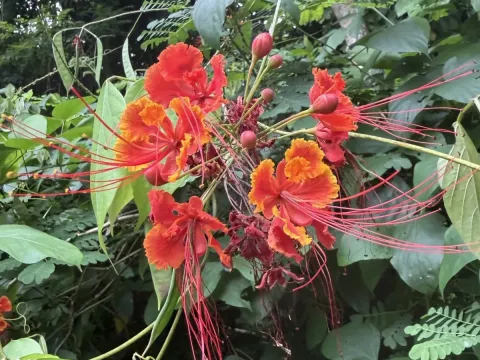
Caesalpinia
Caesalpinia
Sowing of Caesalpinia seeds is typically carried out in spring when soil temperatures have consistently risen. Before planting, it is highly recommended to scarify the seeds or soak them in warm water for 24 hours to soften the hard outer coat, which significantly improves germination rates.
What the section contains


Caesalpinia
In both agricultural and ornamental settings, seeds are sown in prepared holes. A planting depth of 1 to 2 centimeters is optimal, ensuring the embryo has sufficient access to moisture and the energy to emerge through the soil surface effectively.
For regions with cooler climates, a greenhouse or nursery method is preferred. Starting plants in trays allows for better control over early development and protects tender seedlings from unexpected frost, ensuring they are strong enough before being transplanted outdoors.
Choosing a location with ample sunlight is critical during the sowing phase, as Caesalpinia is a light-demanding crop. Avoiding overcrowding is essential, as dense planting can lead to intense competition for light and nutrients, ultimately weakening the development of the root system.
Post-sowing care involves maintaining consistent soil moisture. Proper irrigation during the initial germination phase promotes robust root establishment, which serves as the foundation for the plant's health and productivity throughout its lifecycle.
Caesalpinia is a member of the Fabaceae family and thrives primarily in tropical and subtropical climates. It is highly sensitive to cold, requiring consistent warmth and protection from freezing temperatures to maintain its metabolic functions and vegetative growth.
Soil requirements focus on excellent drainage and aeration. The plant does not tolerate waterlogging, which often leads to root rot and death. In heavy clay soils, it is necessary to incorporate organic matter or build raised beds to ensure water moves away from the roots.
The optimal soil pH range for Caesalpinia is neutral to slightly acidic. Providing a fertile, nutrient-rich soil environment through the addition of organic compost or balanced fertilizers encourages vigorous foliage growth and the development of high-quality seeds or fruit.
Once the plant has reached maturity, it demonstrates moderate drought tolerance. However, regular irrigation during the growing season is necessary to maximize yield and ensure the plant maintains a healthy aesthetic and high production level.
Protection from strong, cold winds is vital for maintaining the plant's health. Planting in sheltered areas or near natural windbreaks helps create a stable microclimate, which is crucial for preventing leaf damage and supporting efficient photosynthesis.
The agricultural value of Caesalpinia lies primarily in its pods and bark, which are rich in tannins used in the pharmaceutical, dye, and leather industries. Yield potential is determined by the age of the tree and the standard of agricultural management employed.
Production typically reaches commercially viable levels by the third to fifth year. Harvesting takes place when the pods are fully mature, as this is when the concentration of tannins reaches its peak, ensuring the best quality for industrial processing.
In ornamental applications, yield is defined by the quality and density of flowering. Regular pruning and maintenance encourage branching, which directly increases the number of inflorescences, making the plant a highly valued asset in landscaping and decorative gardening.
Given its botanical classification, Caesalpinia often possesses nitrogen-fixing capabilities through symbiotic bacteria in its roots. This ecological feature makes it a valuable species for agroforestry, as it helps improve soil structure and fertility over time.
Maximizing yield requires a well-managed fertilization schedule, particularly with potassium and phosphorus, which support fruit development. Consistent care, combined with a healthy growing environment, ensures long-term profitability and high-quality raw material production.
Common pests that affect Caesalpinia include aphids and spider mites, which feed on tender foliage and young shoots. These infestations are most prevalent in hot, dry conditions and can significantly weaken the plant if left untreated for extended periods.
Fungal diseases, such as powdery mildew, pose a significant risk, especially in environments with poor air circulation and high humidity. Proactive measures, such as proper spacing and periodic thinning of the canopy, are essential to prevent the spread of these pathogens.
Root rot is perhaps the most serious threat, typically resulting from over-irrigation or improper drainage. Because symptoms may not be visible until significant damage has occurred, maintaining strict control over soil moisture levels is the most effective preventative strategy.
Nematode infestations in the root zone can also undermine the vitality of Caesalpinia stands. Management involves using certified, disease-free planting material and adhering to strict crop rotation practices to minimize the buildup of soil-borne pathogens.
When chemical interventions are necessary, they should be applied with precision to avoid harming beneficial pollinators. Integrated Pest Management (IPM) strategies, which prioritize biological controls and healthy cultural practices, are the preferred approach for sustainable cultivation.
Harvesting Caesalpinia is a labor-intensive process, as it is typically done by hand to ensure the pods remain undamaged. The collection must be selective, as pods do not always reach maturity simultaneously, requiring multiple passes through the production site.
Immediately after harvest, the raw material must be dried in well-ventilated areas to prevent spoilage. Proper drying is critical to maintaining the chemical integrity of the tannins, which are sensitive to moisture and can degrade if stored improperly.
Once dried, the pods are cleaned of debris, and seeds are separated where applicable. The final quality is assessed based on purity and moisture content, with standardized levels ensuring the raw material meets industrial and commercial requirements.
Storage requires cool, dry conditions away from direct sunlight. Using breathable containers is essential to allow air circulation, preventing the formation of mold and maintaining the quality of the harvested product for longer periods.
Timely harvest is paramount for economic efficiency. Leaving mature pods on the plant for too long can lead to natural pod splitting and seed dispersal, resulting in substantial yield losses and reducing the overall profitability of the harvest operation.