
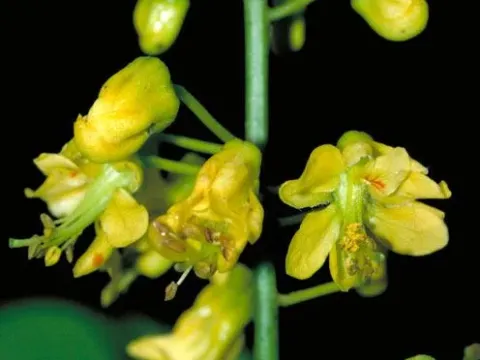
Caesalpinia crista
Caesalpinia crista
Caesalpinia crista, a member of the Fabaceae family, is a climbing shrub native to tropical regions. Its propagation primarily relies on seeds, which possess a hard, protective seed coat that requires specific preparation for germination.
What the section contains
Caesalpinia crista
Scarification is a vital step in the sowing process. By physically abrading the outer layer of the seed or soaking it in warm water for several hours, growers can significantly improve the speed and uniformity of germination.
Sowing should be timed to coincide with the onset of the warm, humid season. Seeds are typically sown at a depth of 2–3 centimeters in well-draining, nutrient-rich soil to ensure optimal moisture levels for development.
During the early seedling phase, it is essential to maintain consistent temperatures between 22 and 28 degrees Celsius. Excessive cold or fluctuations in soil moisture during this period can lead to seedling failure or delayed growth.
Once seedlings develop several sets of true leaves, they are ready for transplantation to their final location. Careful handling of the root system is advised, as the plant can be sensitive to root disturbance at a young stage.
This crop thrives in well-draining soils with a sandy to loamy texture. Proper drainage is the most critical factor, as stagnant water around the root zone often leads to root rot and other fungal complications.
As a sun-loving plant, Caesalpinia crista requires full sun exposure to maintain vigorous growth and produce quality yield. Planting in shaded areas often results in leggy stems and reduced biomass production.
The plant is known for its tolerance to drought; however, regular irrigation is recommended during the peak growing season to maximize growth. A drip irrigation system is highly effective for maintaining constant moisture without wetting the foliage.
Optimal pH levels for this species range between 6.0 and 7.5. It performs well in neutral soil conditions but may struggle in highly alkaline or saline environments, which can cause nutrient deficiencies.
In terms of temperature, this plant is strictly tropical and does not tolerate frost. In regions with cooler climates, it must be grown in containers and moved indoors or into greenhouses when temperatures drop below 10 degrees Celsius.
The economic value of Caesalpinia crista is largely derived from its seeds and leaves, which are used in traditional medicine and the production of specific chemical extracts. Yield potential increases as the plant matures.
Strategic pruning is essential to optimize yield. By removing older, less productive stems and encouraging branching, farmers can increase the total surface area for flowering and seed pod formation.
Commercial harvest typically begins when the plant reaches 3–4 years of age. Consistent maintenance and nutrient management, particularly with potash-rich fertilizers, support sustained production over several seasons.
The harvest cycle is usually spread out due to the asynchronous ripening of pods. Frequent monitoring is necessary to ensure that pods are collected at the peak of maturity, ensuring the highest quality of the harvested material.
Post-harvest processing involves drying the collected pods in a controlled environment. Proper ventilation is required to prevent mold formation, which can quickly degrade the value of the final seed product.
The plant is susceptible to common pests such as aphids, spider mites, and scale insects. These pests primarily target young, succulent growth and can weaken the plant if left untreated for extended periods.
Root rot, caused by excessive soil moisture and poor drainage, is a primary disease threat. Fungal leaf spots may also occur if air circulation within the shrub canopy is insufficient during rainy periods.
Integrated pest management (IPM) is the best approach to control these threats. Using biological insecticides and ensuring proper canopy thinning can keep pest and disease pressure below the economic threshold.
The presence of thorns acts as a natural deterrent to some herbivores, but it also creates safety challenges for farm laborers. Protective gear is necessary for all individuals handling the plants.
Regular field scouting is essential to identify early signs of infestation or infection. Early intervention, such as removing infected branches or targeted biological control, significantly reduces the need for synthetic chemicals.
Manual harvesting is standard for this crop due to the plant's structural characteristics and the uneven maturation of its seed pods. Skilled labor is required to ensure that the main branches are not damaged during the process.
Harvesting should occur during dry weather to ensure that the pods are free from surface moisture. This reduces the risk of spoilage during the initial drying and storage phases of the post-harvest chain.
Once gathered, the pods are transported in airy containers to a central processing area. Avoiding tight compaction of the pods is crucial to maintain air circulation and prevent heat buildup within the bulk harvest.
Threshing is performed to separate the seeds from the pod material. The resulting seeds should be cleaned of dust and debris before being weighed and packaged for storage or market delivery.
Properly dried seeds, with a moisture content of around 10–12%, can be stored in cool, dark, and dry conditions for several months without significant loss of viability or chemical potency.