
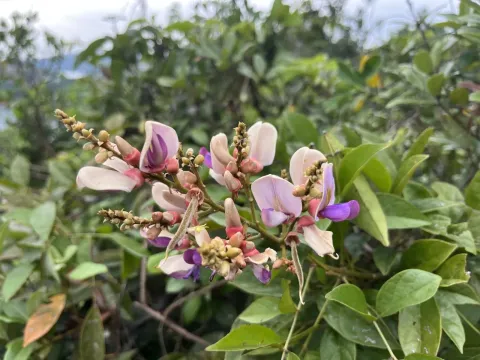
Callerya
Callerya
Callerya is a genus of woody climbing plants belonging to the legume family, Fabaceae. These plants are known for their vigorous growth habit and are often used in ornamental horticulture for their lush foliage and attractive inflorescences.
What the section contains


Callerya
The native range of this genus includes tropical and subtropical regions of Asia. They thrive in climates where temperatures remain consistently warm throughout the year, making them suitable for specific agricultural zones.
Optimal growth requires well-draining, nutrient-rich soils with a slightly acidic to neutral pH. It is essential to avoid waterlogged conditions, as the root system is sensitive to poor soil aeration and excess moisture.
Sunlight requirements for Callerya are relatively high, as they perform best in full sun to partial shade. Adequate light exposure is necessary for healthy vegetative development and the stimulation of flowering in mature specimens.
In terms of agricultural management, providing structural support is paramount. Since they are climbing vines, they require trellises, arbors, or walls to facilitate upward growth and ensure proper air circulation through the canopy.
Spider mites are common pests that affect Callerya, especially in hot and dry environments. These pests cause yellowing and necrosis of the leaves, which can lead to significant defoliation if left unchecked.
Scale insects often cluster on the stems and leaf undersides, extracting sap and weakening the plant. Regular monitoring and the application of horticultural oils or systemic insecticides are effective management strategies.
Root rot caused by pathogenic fungi is a major threat in soils with poor drainage. Proper irrigation management, ensuring the soil dries out slightly between waterings, is the best preventative measure.
Powdery mildew is a frequent issue during humid seasons. It appears as a white, powdery coating on the foliage, which reduces the plant's ability to photosynthesize effectively and impairs its growth.
Aphids can pose a threat to new growth and developing buds. Keeping the plant healthy through balanced fertilization and using biological controls or mild soap solutions can keep populations at manageable levels.