
Cadia
Cadia
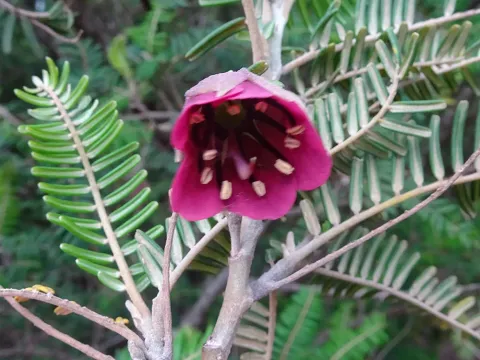
Cadia is a genus of shrubs and trees belonging to the Fabaceae (legume) family, native primarily to East Africa and the Arabian Peninsula. Unlike many other legumes, the plants are noted for their distinctive bell-shaped flowers that hang downwards, resembling certain mallow species.
What the section contains

Cadia
The cultivation of Cadia requires a warm tropical or subtropical climate, as these plants are not frost-tolerant. They thrive in full sun but require protection from extreme, scorching heat to prevent leaf burn, especially when cultivated in glasshouses or indoor botanical environments.
Soil requirements focus on excellent drainage; waterlogged roots are the primary cause of plant failure. A mixture of sandy loam and perlite is recommended to provide sufficient aeration and prevent the compaction of the growing medium around the sensitive root system.
Proper care involves moderate watering during the growing season, ensuring that the top layer of soil dries out slightly between waterings. During the winter, irrigation should be significantly reduced to allow the plant a resting period, which helps maintain vigor for the next season.
Regular pruning is essential for maintaining a compact and aesthetic shape, as Cadia can become spindly if left to grow unchecked. By stimulating new lateral growth, pruning also increases the density of flowering branches, enhancing the ornamental value of the specimen.
The most significant pathological threats to Cadia are fungal pathogens, specifically those causing root and crown rot when soil moisture is mismanaged. Maintaining proper hygiene and ensuring that the foliage stays dry helps minimize the risk of spreading these diseases.
Pests that frequently infest Cadia include spider mites and mealybugs, which tend to thrive in the dry, warm air of indoor environments. Integrated pest management using biological controls or specialized horticultural soaps is the most effective approach for ensuring plant health.