
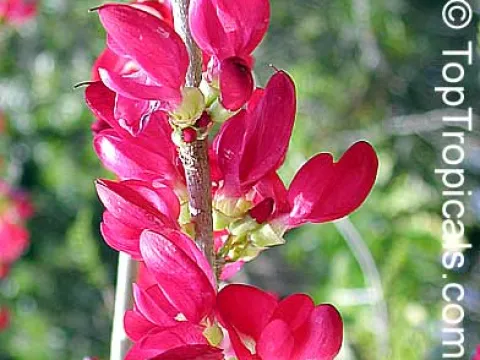
Burmese Pink Cassia
Cassia renigera
The Burmese Pink Cassia (Cassia renigera) is a stunning deciduous tree belonging to the Fabaceae family, renowned for its spectacular floral displays. In its native habitat, it grows as a medium-sized tree, often reaching a height of 5 to 10 meters with a spreading, graceful canopy.
What the section contains
Burmese Pink Cassia
This species thrives in tropical and subtropical climates where it can receive an abundance of full sun. Sunlight is the primary driver for its flowering cycle, as the tree requires high light intensity to produce its vibrant, dense racemes of pink flowers during the blooming season.
Regarding soil conditions, Cassia renigera performs best in deep, fertile, and well-draining substrates. Whether the soil is sandy or loamy, it must allow for efficient water movement to prevent the roots from remaining saturated, as the species is highly susceptible to root rot in waterlogged environments.
The cultivation of this plant involves consistent but moderate irrigation during the active growing season. Once established, the tree exhibits a notable level of drought tolerance, making it an excellent choice for xeriscaping or sustainable landscaping in climates with distinct wet and dry seasons.
Host-wise, the tree is primarily utilized for its aesthetic value in landscape design. It is widely planted as a specimen tree in parks and residential gardens to create a dramatic focal point, especially when it is fully covered in pink blooms while the branches are still largely bare of leaves.
Like many species in the legume family, Cassia renigera can be vulnerable to various fungal infections, particularly during periods of high humidity. Powdery mildew is a common concern that manifests as a white, dusty coating on the leaves, potentially hindering the plant's ability to photosynthesize effectively.
Pest pressures often include sucking insects such as aphids, scale insects, and mealybugs. These pests colonize the young twigs and undersides of the leaves, drawing out plant sap and causing stunted growth or yellowing of the foliage, which diminishes the tree's overall appearance and vigor.
Caterpillars can also pose a significant threat during the active growing season, as they feed on the fresh foliage. If left unchecked, these infestations can lead to significant defoliation, forcing the tree to expend excess energy to produce a new set of leaves, which weakens the plant over time.
Implementing a proper pruning regimen is essential to mitigate these threats. By thinning out the canopy, gardeners ensure better air circulation, which helps keep the foliage dry and makes the environment less hospitable to fungal pathogens and damp-loving pests.
Integrated pest management, including the use of neem oil or targeted insecticides during early infestation stages, is recommended to keep the tree healthy. Regular monitoring, especially during the shift between dry and wet seasons, is the key to preserving the decorative integrity of the Burmese Pink Cassia.