
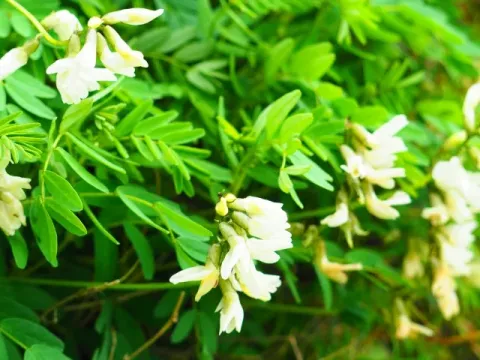
Astragalus shiroumensis
Astragalus shiroumensis
Astragalus shiroumensis is a perennial herbaceous plant belonging to the Fabaceae (legume) family. Native to the high-altitude regions of Mount Shirouma in Japan, it is adapted to life in harsh, mountainous conditions.
What the section contains
Astragalus shiroumensis
The plant exhibits specific botanical features, such as deep-reaching taproots and a rosette-forming growth pattern that protects it from strong alpine winds. Its foliage is adapted to handle high levels of solar radiation and low temperatures.
For agricultural cultivation, this species requires well-drained, porous soils with a neutral pH. It struggles in heavy, waterlogged clay soils, which can lead to root system failure and lack of oxygen exchange.
Climatic requirements are focused on cool to moderate temperatures. While it is highly frost-tolerant, it requires sufficient ventilation to prevent the buildup of humidity, which can be detrimental to the plant's health.
In terms of agricultural utility, Astragalus shiroumensis has potential for ecological restoration, particularly for erosion control on slopes. Its nitrogen-fixing capabilities make it a candidate for soil improvement strategies in temperate climate zones.
The main threats to Astragalus shiroumensis under cultivation are fungal infections, particularly those caused by stagnant water in the root zone. Root rot is a common issue when drainage is insufficient.
Pests such as aphids are known to feed on the tender stems and leaf structures. Regular monitoring is essential to prevent infestations from causing significant damage to the plant's vigor during the growing season.
Slugs and snails present a persistent threat to young seedlings and leaf growth in humid environments. Barrier methods are highly recommended to protect the crop from these mollusks.
Nematodes can cause significant damage to the nitrogen-fixing nodules on the roots, which directly impacts the plant's ability to thrive. This necessitates careful selection of planting sites and soil preparation.
Viral pathogens may cause mosaic patterns on leaves, potentially reducing photosynthetic efficiency. Removing infected individuals early is the standard practice to maintain the health of the entire crop population.