
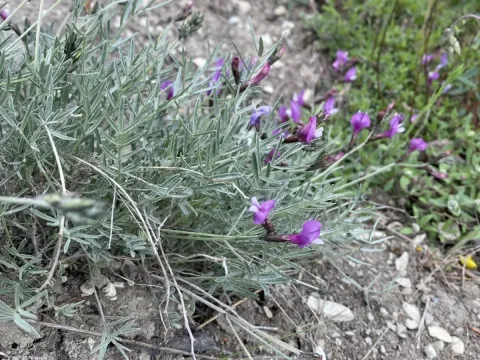
Astragalus subuliformis
Astragalus subuliformis
Astragalus subuliformis is a perennial herb belonging to the Fabaceae family, adapted to arid and semi-arid environments. Sowing is best performed in early spring when soil temperatures reach 5-8 degrees Celsius to ensure uniform germination.
What the section contains
Astragalus subuliformis
The seeds have a hard seed coat, making scarification a necessary pre-sowing treatment to improve field emergence. Sowing depth should be kept between 2 and 3 centimeters to prevent moisture loss from the soil surface.
The seeding rate typically ranges from 8 to 12 kg per hectare, depending on the row spacing and intended use. Early development is slow, so keeping the field free of competing weeds is essential for successful stand establishment.
Proper seedbed preparation, ensuring a fine soil structure, is crucial for the small seeds to establish root contact. Spring planting allows the crop to develop a robust root system before the onset of extreme summer heat.
Farmers should avoid sowing too deep, as the seedlings may lack the energy to emerge through the soil layer. Adequate moisture management immediately after sowing significantly improves the uniformity of the plant density.
This crop is highly prized for its exceptional drought tolerance, allowing it to thrive in regions where other legumes would fail. It prefers well-drained sandy or loamy soils and avoids areas with stagnant water.
Astragalus subuliformis shows good tolerance to saline soils, making it an excellent candidate for land reclamation projects. It is adaptable to various soil pH levels, though it performs best in neutral to slightly alkaline conditions.
Climatic requirements focus on high sun exposure and a continental climate with clear seasons. Its cold hardiness makes it suitable for overwintering in regions with harsh winters, as it remains dormant during the cold period.
The plant possesses a deep taproot system, which is key to its survival in environments with limited rainfall. This biological feature allows the crop to access subsoil moisture, ensuring survival during prolonged droughts.
While the plant is hardy, yield improvement can be achieved on poor soils through judicious application of phosphorus and potassium fertilizers. Liming may be necessary if the soil shows high acidity, ensuring optimal nutrient uptake.
The primary agricultural use of Astragalus subuliformis is as a high-quality forage crop for livestock. It provides nutritious biomass that is readily consumed by cattle, sheep, and other grazing animals.
Yield stability is a key characteristic of this species once the stand is well-established. It offers consistent biomass production, contributing to the overall forage availability throughout the grazing season.
Beyond forage, it serves as a valuable tool for soil conservation and erosion control. Its expansive root system binds soil particles together, helping to stabilize sandy or degraded areas effectively.
The crop also plays a significant role in nitrogen fixation, enriching the soil for subsequent crops in a rotation. This reduces the need for synthetic nitrogen fertilizers, supporting more sustainable farming practices.
Seed production is an additional commercial avenue for farmers, though it requires specific timing to manage the extended ripening period. Proper harvesting techniques help maximize the yield of viable seeds.
Diseases in Astragalus subuliformis are often related to fungal pathogens like powdery mildew, especially in humid conditions. Maintaining proper plant spacing helps reduce the incidence of these fungal outbreaks.
Root-feeding insects, such as clover weevils, pose the most significant risk to young stands. Seed treatment and early season monitoring are essential to manage these pest populations effectively.
Root rot diseases may occur in poorly drained areas or during seasons with excessive moisture. Avoiding waterlogged fields is the best preventive measure against the development of these soil-borne pathogens.
Integrated pest management, combining cultural practices and targeted biological controls, is recommended for long-term stand health. Regular scouting allows for timely intervention before infestations reach economic thresholds.
Ensuring the field is kept free of aggressive weed species is also a form of protection, as weeds can host pests and compete for essential resources. Good agronomic care is the best defense against major threats.
Forage harvesting should occur at the peak of the flowering stage to balance total biomass with nutritional quality. Cutting too late can result in increased fiber content and reduced palatability for livestock.
Rapid drying is required to produce high-quality hay, preserving the protein-rich leaves that are easily lost during slow curing. Mechanical tedding helps achieve consistent moisture levels across the harvested material.
Seed harvesting must be timed carefully to capture the pods when they are fully mature but before they shatter. Proper combine settings are necessary to reduce mechanical damage to the seeds during threshing.
After collection, seeds must be dried to standard moisture levels to ensure longevity during storage. Facilities for seed storage should be cool, dry, and protected against insects and rodents.
When used as pasture, managed grazing is critical to prevent overgrazing. Rotational grazing schemes allow the plants to recover, ensuring the longevity and productivity of the stand over several years.