
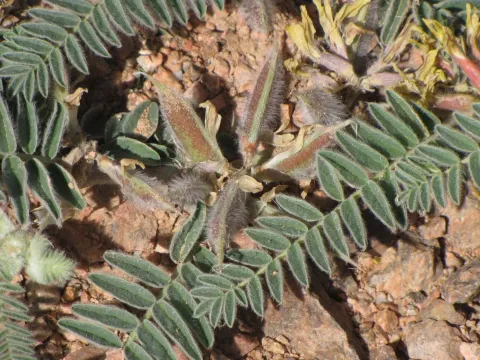
Astragalus sparsus
Astragalus sparsus
Astragalus sparsus is a perennial legume species characterized by high adaptability to various environmental conditions. The optimal sowing time is early spring, once the soil has warmed sufficiently to ensure consistent germination.
What the section contains
Astragalus sparsus
The seeds of this species possess a hard seed coat, which necessitates scarification prior to planting to enhance water absorption and stimulate faster germination rates. Seed depth should be carefully controlled, ideally at 1 to 2 centimeters.
Depending on the cultivation goals, seeds can be drilled in rows spaced 45 to 60 centimeters apart. This spacing allows sufficient airflow and root development for individual plants, reducing competition within the crop stand.
Rolling the soil immediately after sowing is highly recommended to improve seed-to-soil contact. This practice is crucial in arid regions to ensure the capillary movement of moisture to the seeds, facilitating uniform crop emergence.
During the first year, the crop develops its root system and exhibits slow vegetative growth. Therefore, early-stage weed management is vital to ensure that the young seedlings are not suppressed by more aggressive competitive species.
Astragalus sparsus is well-known for its excellent drought tolerance, making it an ideal crop for arid and semi-arid regions. It thrives in environments where other crops might struggle due to limited water availability.
The crop prefers well-drained, light-textured soils, including sandy loams and stony substrates. It is highly sensitive to waterlogging, and soil with poor drainage will lead to root deterioration and significant yield losses.
As a heliophyte, this species requires full sun exposure for optimal growth and photosynthetic efficiency. Shaded environments are not suitable for this crop and will lead to diminished biomass production and thinner foliage.
Nutrient requirements are moderate; as a nitrogen-fixing legume, it reduces the need for external nitrogen fertilizers. Application of phosphorus and potassium can significantly boost plant health and root development.
The extensive taproot system allows the plant to access deep soil moisture, ensuring stability and persistence throughout long summer heatwaves. This structural feature is key to its survival in harsh, low-rainfall conditions.
The biomass yield of Astragalus sparsus varies based on environmental conditions and management practices. On average, growers can expect 15 to 25 quintals of high-quality hay per hectare under favorable conditions.
Productivity typically peaks during the second and third years after establishment. Once a healthy stand is developed, the yields remain stable for several years, provided that proper maintenance and fertilization are performed.
Harvesting for forage is best timed during the budding or early flowering stages. This phase maximizes the nutritional content, particularly protein levels, making it an excellent component of livestock feed rations.
Seed production is another viable economic activity. With proper agronomic care, seed yields can reach 3 to 5 quintals per hectare, supporting both farm needs and commercial seed distribution.
Factors influencing yield include effective pest control, successful winter survival, and the prevention of lodging, which can occur if excessive nitrogen or water is present during the peak growth phase.
Powdery mildew is a potential threat to the crop, especially in dense stands where air circulation is limited. The disease appears as white fungal patches on the leaves, negatively impacting biomass quality.
Root rot is a significant risk in areas with poor drainage or during abnormally wet seasons. The pathogen targets the root system, causing plant death and leading to large, unproductive gaps in the field.
Various weevils are the primary pests affecting reproductive development, as they feed on the flowers and developing pods. This can significantly reduce seed yields if not monitored and managed with appropriate insecticides.
Aphids can infest plants during hot and dry spells, sucking sap and weakening the plant's overall vigor. Regular scouting is essential to catch outbreaks early and prevent widespread damage to the forage quality.
Maintaining a balanced rotation cycle and ensuring appropriate plant spacing is the best strategy to mitigate disease and pest pressure naturally, reducing the need for intensive chemical interventions.
Mechanical harvesting for forage should be conducted at a height of 7 to 10 centimeters above the ground. This ensures the plant can regrow vigorously for subsequent cuts throughout the season.
Drying the cut material for hay should be managed carefully to ensure moisture levels drop to 15-18 percent. Over-drying can lead to leaf loss, which significantly reduces the nutritional density of the hay.
Seed harvesting requires precision to prevent pod shattering. The best time to harvest is when the lower pods have turned brown and the seeds inside have reached their final hardness and maturity.
After harvesting, seeds must be cleaned immediately to remove plant debris and moisture. Proper drying prevents the growth of storage molds and ensures the longevity of seed viability for the following season.
Storage should be handled in cool, dry conditions with adequate ventilation. This protects the seed quality and ensures high germination rates when planting resumes in the next cycle.