
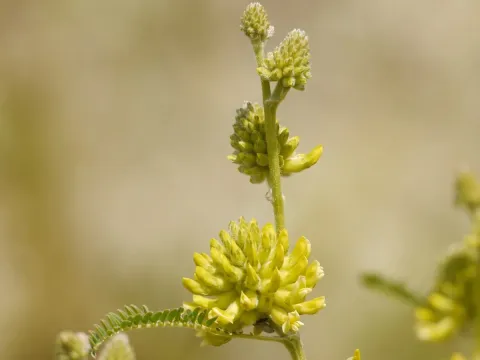
Astragalus ponticus
Astragalus ponticus
Astragalus ponticus, a member of the Fabaceae family, is a valuable perennial crop. Sowing is best performed in early spring or late autumn, as the seeds require natural stratification to achieve uniform germination in the upcoming growing season.
What the section contains
Astragalus ponticus
Seed scarification is a mandatory pre-sowing practice because the seeds are covered with a very hard coat that hinders water uptake. Proper preparation of the seed material ensures high field emergence and vigor during the critical initial weeks of development.
Seeding rates depend on the chosen method: solid seeding requires higher rates, whereas row planting allows for lower density. The seeds should be planted no deeper than 1.5 to 2 centimeters to ensure that the emerging sprouts can easily reach the soil surface.
During the first year of life, the plant focuses its energy on developing a robust, deep-seated root system, leading to slow above-ground growth. Effective weed control during this establishment phase is critical, as weeds pose the greatest threat to young Astragalus seedlings.
Once established, Astragalus ponticus becomes an extremely competitive crop capable of suppressing weeds for many years. When grown for seed, a row spacing of 45 to 60 centimeters is recommended to facilitate mechanical weeding and ensure optimal plant airflow.
This crop exhibits excellent drought and cold tolerance, making it suitable for steppe and forest-steppe zones. Astragalus ponticus does not tolerate waterlogged soils, so fields with good drainage and no risk of standing water should be chosen for cultivation.
It is not particularly demanding regarding soil types, though it performs best on fertile chernozems with a neutral to slightly alkaline pH. Its ecological plasticity allows it to grow even on degraded or slightly saline soils, helping to improve fertility through atmospheric nitrogen fixation.
The presence of specific symbiotic nitrogen-fixing bacteria in the soil is essential. If the crop is being planted on a site for the first time, inoculating the seeds with specific bacterial strains before sowing is highly recommended to ensure efficient nitrogen fixation.
The plant responds well to phosphorus and potassium fertilization, which strengthens the root system and increases resistance to harsh weather conditions. Mineral fertilizers should be applied based on local soil nutrient analysis to maximize efficiency.
Astragalus ponticus is well-adapted to intense sunlight and high summer temperatures. Its deep root system accesses moisture from lower soil horizons, making it an indispensable crop for modern agriculture facing the challenges of climate change and frequent summer droughts.
Under adequate moisture and proper management, the green matter yield of Astragalus ponticus ranges from 250 to 400 centners per hectare. Peak productivity is typically observed from the third to the fifth year of the stand's life.
For hay production, the optimal harvest time is the early flowering stage (budding), when the plant contains the highest concentration of protein, minerals, and vitamins essential for livestock nutrition. Delayed harvesting causes stems to become woody, reducing overall nutritional value.
Seed yield varies around 3–5 centners per hectare. Because seeds mature unevenly, monitoring the maturity of the pods is necessary to prevent significant yield losses during harvest, which can occur if the pods shatter before collection.
The high nutritional quality of the forage ensures excellent palatability, whether consumed fresh, as hay, or as silage. This makes Astragalus a highly promising crop for intensive livestock farming and for the establishment of durable perennial pastures.
After harvest, the remaining Astragalus roots enrich the soil with organic nitrogen, significantly improving conditions for subsequent crops in the rotation. Agronomists note a general increase in soil fertility after this legume has been cultivated in the field.
Astragalus ponticus generally possesses a high level of natural disease resistance. However, in conditions of high humidity, powdery mildew may develop. Prevention focuses on maintaining adequate spacing and timely harvesting to ensure proper air circulation through the crop.
Weevils are the most significant pest, as they can damage the plant's reproductive organs. In the case of severe infestation, insecticides recommended for legume crops should be applied during the active vegetation phase to mitigate impact.
Certain moth larvae may consume foliage, but this typically does not pose a critical threat to a healthy, well-established plantation. Regular field monitoring allows for the early detection and management of potential issues before they cause economic damage.
The primary threat during the first year is competition from weeds, which can stifle the crop's development. Therefore, maintaining a clean field is crucial to ensure that young Astragalus plants receive sufficient resources to develop their permanent root system.
Overall, the plant is characterized by a strong immune system. The use of integrated pest management practices allows for the minimization of pesticide use, preserving the ecological balance of the agroecosystem while maintaining high crop health.
Green matter is harvested using standard mowers. The optimal timing is during the onset of flowering, which ensures maximum nutritional value. Avoid late harvesting, as stems become tougher and lose a significant portion of their protein content over time.
Seed pods should be harvested when the seeds in the lower and middle pods are fully mature. As pods are prone to shattering, determining the precise start of harvest based on pod and seed color is critical to minimizing pre-harvest losses.
A two-phase harvesting method—mowing into windrows followed by threshing—is often preferred to reduce seed losses. This is particularly advantageous for farms that specialize in producing their own seed stocks of Astragalus.
After harvesting, seeds must be cleaned of debris and dried immediately. The optimal moisture content for long-term storage of Astragalus seeds is approximately 12-13%, which helps maintain high germination rates until the next planting season.
Late autumn mowing is discouraged, as the plant needs to accumulate nutrient reserves in its root system for successful overwintering. It is recommended to perform the final cut no later than one month before consistent cold temperatures arrive.