
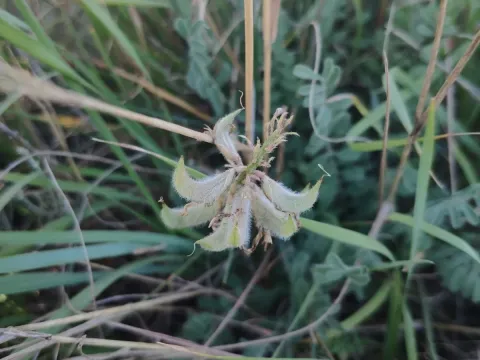
Astragalus reduncus
Astragalus reduncus
Astragalus reduncus is a perennial herbaceous plant belonging to the Fabaceae family. This species is a hardy representative of steppe flora, naturally adapted to harsh environmental conditions.
What the section contains
Astragalus reduncus
The sowing period for this crop typically begins in early spring as soon as the soil warms up to 8–10 degrees Celsius. Late autumn sowing is also possible in regions with mild winters to allow for natural stratification.
Seeds of Astragalus reduncus possess a hard coat, requiring scarification prior to sowing to ensure high germination rates. The optimal planting depth is between 2 and 3 centimeters.
The seeding rate varies depending on the method, with approximately 8–10 kilograms per hectare required for row planting. Ensuring good soil-to-seed contact is essential for uniform establishment.
During the first year, growth is relatively slow, making weed control in the early stages of development a crucial management practice to prevent competition for resources.
Astragalus reduncus is characterized by its high drought tolerance and winter hardiness. It is particularly well-suited for cultivation on marginal, sandy, or rocky soils where more demanding crops fail.
The plant thrives in well-lit environments. Shading negatively impacts photosynthesis, which leads to reduced biomass production and weakened overall plant vitality.
The crop is not strictly demanding regarding soil composition but shows the best results on chernozems or chestnut soils with a neutral to slightly alkaline pH level.
Waterlogging and stagnant groundwater must be avoided, as the root system is highly sensitive to excessive moisture, which often leads to root rot and winterkill.
General maintenance involves light tillage between rows to improve soil aeration and effectively manage the weed population during the crop's establishment phase.
The primary use of Astragalus reduncus is in forage production. Its green mass is rich in proteins and biologically active substances, making it a valuable feed source.
Yield depends significantly on environmental conditions; under favorable circumstances, it can produce 100–150 centners of green mass per hectare per season.
The plant exhibits excellent regrowth capabilities, allowing for one or two harvests per season depending on rainfall levels during the early summer.
Hay derived from this crop is highly palatable to livestock, including sheep and goats, which enhances its value for inclusion in pasture seed mixes.
Beyond its forage utility, Astragalus reduncus serves as a beneficial melliferous plant, attracting pollinators and contributing to overall farm biodiversity.
The main threats to this crop include fungal infections such as powdery mildew and various rust diseases, which tend to proliferate during periods of high humidity.
Pests like weevils can cause significant damage to the plant's vegetative organs and generative systems, while soil-dwelling larvae may damage the roots.
Disease prevention is centered on crop rotation and the maintenance of optimal stand density, as overcrowded fields create ideal microclimates for pathogen growth.
Insecticide use should be restricted to cases of severe infestation, always prioritizing treatments that have minimal impact on non-target pollinator species.
Integrated weed management is vital, as common field weeds can serve as alternative hosts for various diseases and pests that impact legume crops.
Harvesting for hay should ideally occur during the full flowering phase, at which point the plant's nutrient concentration reaches its peak.
Processing must be handled carefully, as the leaves are prone to shattering once dried, which can significantly reduce the protein content of the final product.
Seed harvesting requires precise timing and machinery calibration to account for the uneven ripening of the pods characteristic of this species.
Post-harvest handling involves thorough cleaning to remove impurities and drying the seed material to a moisture level of 12-14% for safe long-term storage.
Seeds should be kept in dry, well-ventilated storage areas using breathable packaging to prevent moisture accumulation and protect against pest contamination.